Alberto Williams
 Argentina
- Alberto Williams: Argentine Composer and Musical Educator
- Early Life and Education
- Return to Argentina and Focus on Local Folklore
- Compositional Output
- Later Evolution and International Influence
- Legacy as an Educator and Composer
Alberto Williams: Argentine Composer and Musical Educator
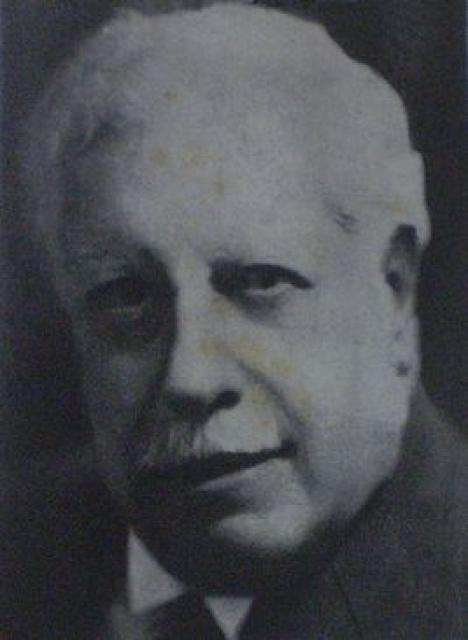
Alberto Williams (1862-1952) was an Argentine composer, musicologist, musical educator, conductor, and pianist.
Early Life and Education
Williams first performed as a pianist at the tender age of seven. With government sponsorship, he pursued advanced studies at the Paris Conservatory, where his mentors included George Mathias, Charles-Wilfrid de Bériot, and Benjamin Godard.
Return to Argentina and Focus on Local Folklore
Upon his return to Argentina in 1889, Williams delved into the study of local musical folklore. In 1893, he founded the Buenos Aires Conservatory, serving as its director until 1941. Williams also authored textbooks on music theory, harmony, and solfège.
Compositional Output
Williams' compositional output spanned 136 works. The period from 1890 to 1910 showcased a strong influence of Argentine musical elements, particularly in his chamber works. His "El Rancho Abandonado" (The Abandoned Ranch), a piano piece based on the rhythms and harmonies of the milonga, gained widespread recognition.
Later Evolution and International Influence
Williams' later works reflected a shift towards a broader international context. He composed nine symphonies, symphonic poems, suites, and other orchestral pieces. His music drew inspiration from various sources, including Argentine folklore, French Impressionism, and late Romanticism.
Legacy as an Educator and Composer
Alberto Williams left an enduring legacy as an educator and composer. His founding of the Buenos Aires Conservatory nurtured generations of musicians and his music continues to be performed and appreciated both in Argentina and internationally. Williams' contribution to the development of Argentine classical music remains significant.