Aleksandr Bibikov
- Early Life and Military Career
- Diplomatic Mission and Royal Disfavor
- Suppression of the Ural Revolt
- Political and Strategic Roles
- Command in Poland and Final Years
- Suppression of the Pugachev Rebellion
- Legacy
Early Life and Military Career
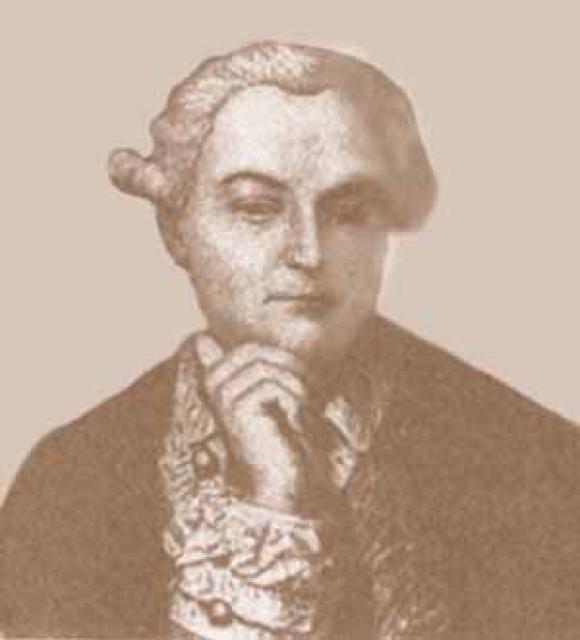
Alexander Ilyich Bibikov was born in 1729. He exhibited exceptional talent at a young age, holding responsible positions in the artillery department by 1749. During the Seven Years' War, Bibikov's bravery and military acumen shone through. In 1759, he was wounded under Frankfurt-an-der-Oder and became a revered figure as the city's commandant. In 1761, he secured a victory at Treptow, demonstrating his strategic prowess.
Diplomatic Mission and Royal Disfavor
In 1762, Empress Catherine II entrusted Bibikov with a delicate mission to the Braunschweig-Lüneburg family in Kholmogory. However, his unfavorable assessment of the family, particularly of Elizabeth, the eldest daughter, earned him Catherine's displeasure. As a result, Bibikov was relegated to his estate for a year and a half.
Suppression of the Ural Revolt
In 1763-64, Bibikov played a pivotal role in quelling the uprising at the Ural factories. While demonstrating firmness, he also sought to understand the underlying causes and improve the economic and administrative conditions in the area, displaying both resolve and compassion.
Political and Strategic Roles
Following his success in the Ural, Bibikov embarked on strategic tours of Russia's southern and southwestern borders in 1765. In 1767, he was elected by the Kostroma nobility as a deputy to the Commission for Drafting a New Law Code. Empress Catherine appointed him Marshal (Chairman) of the Commission, but Bibikov's influence on its proceedings was minimal, owing to the complexity of the task and procedural shortcomings.
Command in Poland and Final Years
In 1771, Bibikov was appointed commander of the Russian army in Poland. He earned the respect of both his subordinates and the Polish people with his decisive and conciliatory approach. Despite his disapproval of Empress Catherine's policy in Poland, Bibikov executed his responsibilities faithfully.
Suppression of the Pugachev Rebellion
In 1773, Bibikov was entrusted with the suppression of the massive Pugachev rebellion. He displayed remarkable energy, contributing significantly to the deterioration of Pugachev's position and the lifting of sieges on numerous cities. Along with combating the uprising, Bibikov implemented administrative reforms with the assistance of accompanying officials, including the renowned poet Gavriil Derzhavin. Tragically, Bibikov passed away in Bugulma on April 9, 1774, before receiving the news of his promotion to General-in-Chief and the conferment of the Order of St. Andrew the First-Called.
Legacy
Alexander Ilyich Bibikov was an exceptional statesman and military commander, combining brilliant military and administrative talents with unyielding principles and diplomatic finesse. His commitment to justice and the well-being of the people was unwavering, as evidenced by his modest financial status upon his passing. He left an everlasting legacy, remembered for his integrity, strategic vision, and compassionate leadership.