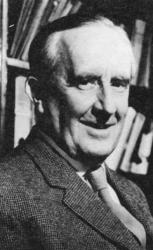
Alexander Abasheli
 Georgia
- The Early Years and Revolutionary Spirit
- Symbolic Influences and Poetic Transition
- Resistance to Bolshevism and Despair
- Soviet Poet and "Singer of a New Era"
- Wartime Patriotism and Socialist Themes
- Science Fiction Pioneer
- Literary Legacy
- Awards and Recognition
The Early Years and Revolutionary Spirit
Grigol Abashidze was a Georgian poet and science fiction writer who emerged as an important figure in Georgian literature. Born in 1884, he became captivated by revolutionary ideas and actively participated in the 1905 revolution. His arrest and subsequent exile in Solvychegodsk left a significant impact on his early writings.
Symbolic Influences and Poetic Transition
During the period of reaction that followed, Abashidze's poetry absorbed influences from Russian Symbolists. One of his most notable works from this time is "The Sun's Laughter" (1913), which exemplified his unique poetic style.
Resistance to Bolshevism and Despair
Abashidze rejected the Bolshevik Revolution of 1917 and found himself alienated from the new Soviet reality. His poetry during this period reflected pessimism, disillusionment, and a rejection of the Soviet regime. Despite the political turmoil, he managed to navigate the literary landscape of Soviet Georgia.
Soviet Poet and "Singer of a New Era"
Abashidze gradually adapted to the Soviet era and emerged as a prominent figure in Georgian literature. His post-revolution poetry, such as "Tbilisi Night" (1926), "To Poets" (1929), and "The Birth of Verse" (1938), depicted him as a "singer of a new era."
Wartime Patriotism and Socialist Themes
During World War II, Abashidze penned patriotic poems like "Letter to Mother," "Stalingrad," and "The Khevsur Tanker." His writings also reflected themes of friendship among the peoples of the USSR and the affirmation of socialist values.
Science Fiction Pioneer
Abashidze made a significant contribution to Georgian literature by authoring the first science fiction novel, "Woman in the Mirror" (1932). This work explored the possibility of contact with Martian civilization and projected visions of future advancements.
Literary Legacy
In addition to his own writings, Abashidze served as the editor of the complete works of Vaza-Pshavela, a prominent Georgian poet. His poetry was widely translated into Russian by renowned writers like Boris Pasternak. Abashidze received the Order of the Red Banner of Labor and other honors for his literary achievements.
Awards and Recognition
Order of the Red Banner of Labor (1944)Medals
Grigol Abashidze's literary legacy continues to inspire Georgian and international readers alike. His unique blend of revolutionary zeal, poetic sensitivity, and science fiction imagination has earned him a place among the most influential figures in Georgian literature.