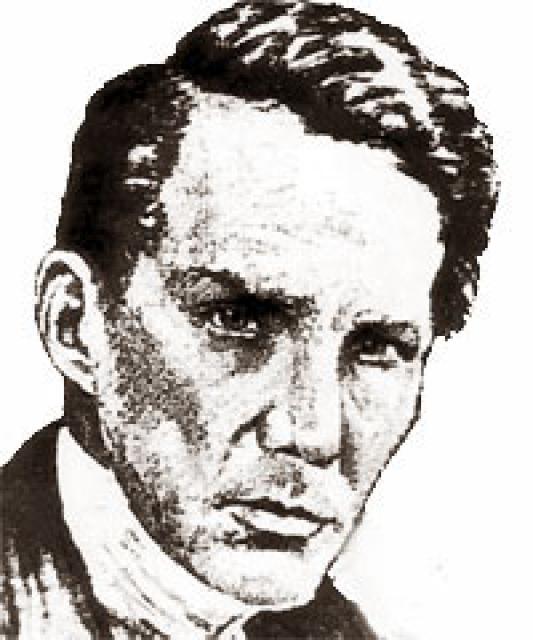
Ray Cummings
 USA
USA- Ray Cummings: A Visionary of the Atomic Age
- Debut and Acclaim
- Formulaic Approach and Success
- Creative Stagnation
- A Memorable Encounter
- Later Years and Legacy
- Conclusion
Ray Cummings: A Visionary of the Atomic Age
Early Years and Scientific InspirationRay Cummings was born Raymond King Cummings on March 15, 1919. His passion for science and technology was evident from an early age, culminating in a brief stint working alongside legendary inventor Thomas Edison.
Debut and Acclaim
Cummings' literary debut occurred in 1919 with "The Girl in the Golden Atom," which catapulted him to fame as a leading pulp fiction author. The story echoed the plot of Fitz-James O'Brien's "The Diamond Lens," but Cummings' protagonist took the scientific journey a step further, venturing into the microcosm of an atomic ring.
Formulaic Approach and Success
Over the next decade, Cummings built his repertoire around a consistent formula, exploring themes of manipulation of time and size in works such as "The People of the Golden Atom," "The Fire People," "The Man Who Mastered Time," and "The Princess of the Atom." While this formula proved popular, critics noted a lack of narrative variety and literary growth.
Creative Stagnation
As the 1930s progressed, Cummings' popularity began to decline as his writing grew stale. Despite continued publication in magazines like "Argosy," his works failed to keep pace with the changing landscape of science fiction.
A Memorable Encounter
In 1940, a young Frederik Pohl crossed paths with Cummings, then in his early 60s. Pohl described Cummings as an amicable but antiquated figure, churning out uninspired stories solely for financial gain.
Later Years and Legacy
Cummings struggled to adapt to the evolution of science fiction as the "Campbell kids" revolutionized the genre. He became an anachronistic relic of the golden age of pulp fiction, his works nostalgic reminders of a bygone era.
Conclusion
Ray Cummings' unique brand of scientific fantasies defined an era in pulp literature. While his writing may have lacked the literary merit of his contemporaries, it captured the boundless optimism and fascination with science that characterized the atomic age. His works remain a testament to the transformative power of imagination and the allure of the unknown.


