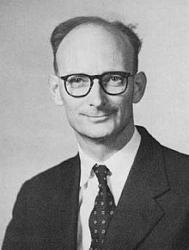
Ammonius Hermiae
- Ammonius Hermiae: A Neoplatonic Philosopher
- Early Life and Education
- Alexandrian School of Neoplatonism
- Religious Persecution
- Astronomical Contributions
- Notable Students
- Surviving Works
Ammonius Hermiae: A Neoplatonic Philosopher
Ammonius Hermiae was a renowned Neoplatonic philosopher and a prominent figure in the Alexandrian School of Neoplatonism.
Early Life and Education
Ammonius was the son of Hermias Alexandrinus and Aedesia. After his father's untimely death, he traveled to Athens with his brother Heliodorus and their mother to study philosophy under Proclus Diadochus.
Alexandrian School of Neoplatonism
Upon returning to Alexandria, Ammonius became the head of the Alexandrian School. He dedicated his life to teaching the works of Plato and Aristotle. His teachings emphasized a synthesis of Greek philosophy with mystical and religious elements.
Religious Persecution
During the Christian suppression of paganism in the 480s, Ammonius faced challenges in continuing his lectures. According to Damascius, he made certain concessions to local Christian authorities, the exact nature of which is unknown. Despite these concessions, he continued teaching until 515, as recorded by Olympiodorus the Younger.
Astronomical Contributions
In addition to his philosophical pursuits, Ammonius was also interested in astronomy. He lectured on the works of Ptolemy and authored a treatise on the use of the astrolabe.
Notable Students
Ammonius had numerous distinguished students, including Asclepius of Tralles, Damascius, Olympiodorus the Younger, Simplicius, and John Philoponus.
Surviving Works
Only a few of Ammonius's numerous writings have survived. These include commentaries on Aristotle's "On Interpretation" and a commentary on Porphyry's "Isagoge" (attribution disputed).