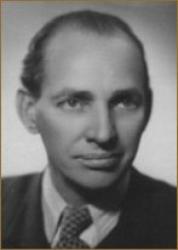
Amy Lowell
 USA
USA- Born into Poetry
- The Crafted Aesthetic
- Embracing Diversity
- Early Publications
- Polemics and Literary Criticism
- Narrative Poems and Eastern Influences
- Recognition and Legacy
Born into Poetry
American poet and critic Amy Lowellemerged from a wealthy, intellectual family with deep ties to Harvard University. Despite her privileged upbringing, she embarked on her poetic journey at the age of 30.
The Crafted Aesthetic
Lowell's poetry was marked by its deliberate artificiality and emphasis on form. This approach challenged the traditional notion of poetic inspiration, arguing for a more conscious and deliberate approach to the craft.
Embracing Diversity
Lowell's work exhibited a wide-ranging scope, influenced by both Western and Eastern literary traditions. She sought inspiration in the abstract and refined poetry of Paul Fort and the French Symbolists, particularly Laforgue and Mallarmé, as well as the concrete and vivid style of the Parnassians.
Early Publications
Lowell's debut poetry collection, "A Dome of Many-Colored Glass," published in 1912, showcased her mastery of traditional forms. The following year, she joined Ezra Pound and Hilda Doolittle in pioneering the radical Imagist movement, which emphasized precision and the use of concrete imagery.
Polemics and Literary Criticism
Lowell's contributions extended beyond poetry. She published influential essays such as "Six French Poets," arguing for the importance of learning from French Symbolism, and "Tendencies in Modern American Poetry," a polemical work engaging with contemporary artistic debates.
Narrative Poems and Eastern Influences
Lowell ventured into narrative poetry with her collection "Can Grande's Castle," which included the evocative "Guns as Keys and the Great Gate Swings Open," dedicated to Commodore Perry's expedition that opened trade between the United States and Japan. Her interest in the Far East during this period influenced her work.
Recognition and Legacy
In 1926, Lowell was posthumously awarded the Pulitzer Prize for her collection "What's O'Clock," a testament to her enduring impact on American poetry. Her deliberate and crafted aesthetic has left a lasting mark on the literary landscape, challenging conventional notions of poetic inspiration and expanding the boundaries of poetic expression.