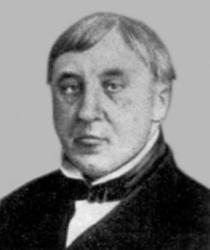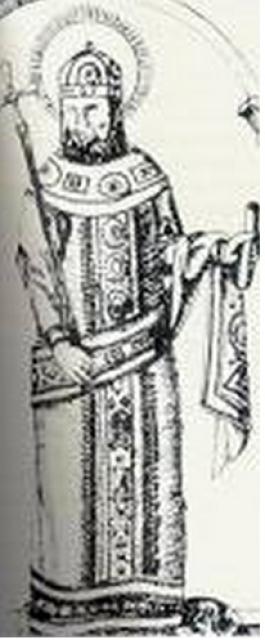
Andronikos I
 Turkey
- The House of Gidos
- Early Family History
- Reign as Emperor of Trebizond (1222-1235)
- Military Prowess and Leadership
- Conflict with the Seljuks
- Alliances and Challenges
- Legacy and Succession
The House of Gidos
Origins and LineageThe surname Gidos, believed to be a Hellenized form of the Italian name Guido, suggests the family's Latin origins. There is speculation that they descended from Guy (Guido), son of the Norman conqueror of Southern Italy, Robert Guiscard. After fleeing to the Byzantine Empire, Guy may have married a woman from the imperial family, solidifying the Gidos' connection to the Byzantine aristocracy.
Early Family History
The first known Gidos to be recorded in Byzantine history is "megas domestic" Alexios Gidos in the twelfth century. The only other Gidos known to historians is Andronikos Gidos, a general under the Nicaean Emperor Theodore I Laskaris. Some scholars believe Andronikos is the future Emperor of Trebizond, while others dispute this claim due to the commonality of the name "Gidos" in the Black Sea region.
Reign as Emperor of Trebizond (1222-1235)
Succession and ConsortFollowing the death of Emperor Alexios I, the imperial throne passed not to his eldest son, John, but to Andronikos. The exact reason for this is unknown, with theories ranging from inheritance traditions yet to be firmly established to the young age of John. Andronikos married an unnamed daughter of Alexios I, solidifying his connection to the imperial family.
Military Prowess and Leadership
Andronikos Gidos was a skilled military strategist and tactician. He played a pivotal role in securing the nascent empire against Seljuk and Khwarazmian threats in 1224. His leadership and military expertise were crucial in defending Trebizond from invasion.
Conflict with the Seljuks
The Seljuk Turks occupied the Crimean port city of Sudak in 1220-1222, threatening maritime trade. In 1223, they attacked the Trapezuntine coast, capturing a ship carrying the annual tribute from the Crimea. Andronikos retaliated with a naval expedition, freeing the prisoners and reclaiming the seized treasure.
In response to the attack, Seljuk Sultan Kay-Qubadh I marched on Trebizond. Andronikos fortified the city and inflicted heavy losses on the sultan's vanguard. Despite repeated assaults, the Seljuks failed to break through the city's defenses.
After a night of fierce fighting, a sudden thunderstorm forced the Turks to retreat, leaving their sultan stranded. Andronikos captured Kay-Qubadh and negotiated a favorable peace treaty that recognized Trebizond's independence. The sultan was so impressed by Andronikos' magnanimity that he sent gifts and donations to the city in the years that followed.
Alliances and Challenges
Trebizond's independence was short-lived. In 1230, the Khwarazmian ruler Jalal ad-Din invaded Anatolia, and Andronikos allied with him against the Seljuks. However, the Khwarazmian forces were defeated in 1230, and Andronikos was forced to pay tribute and provide military support to the sultan.
Meanwhile, the Mongols conquered Georgia, leading to the breakaway of Lazica, which established the independent state of Imereti.
Legacy and Succession
Andronikos Gidos died in 1235 and was succeeded by Alexios I's son, John Axouchos the Great Komnenos. The Gidos family played a significant role in the early history of Trebizond, contributing to its military success and political stability.