Anthony Houp
 Great Britain
Background and Education
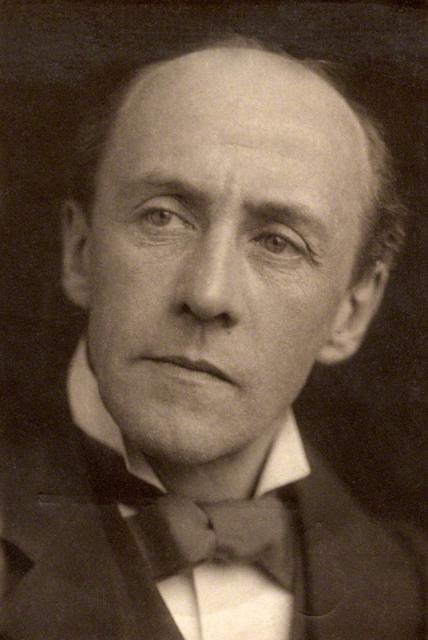
Anthony Hope Hawkins was born in London, England, to a clergyman father and a mother who was the aunt of author Kenneth Grahame. He attended Oxford University, where he studied law.
Early Career
After graduating from Oxford, Hope initially pursued a career in law. However, he soon turned to literature, publishing essays and novels in newspapers and magazines.
Literary Success
Hope's breakthrough came with the publication of two popular swashbuckling novels: "The Prisoner of Zenda" (1894) and its sequel, "Rupert of Hentzau" (1898). These books gained critical acclaim from writers such as Andrew Lang, Robert Louis Stevenson, and G. K. Chesterton. Hope followed up their success with a prequel, "The Heart of Princess Osra" (1896).
Later Works and Recognition
Despite the popularity of his early novels, Hope's subsequent publications failed to achieve the same level of recognition. However, he wrote over 30 volumes of historical-adventure fiction. During World War I, Hope's contributions to propaganda earned him a knighthood. He also published memoirs in 1927.
Legacy and Influence
Hope's fictional country of Ruritania, featured in "The Prisoner of Zenda" and its sequels, became a literary shorthand for a typical Central European nation. The books' intricate plots and romantic intrigue spawned the adjective "Ruritanian." The novels have been frequently adapted into films in various countries, including India and Turkey.