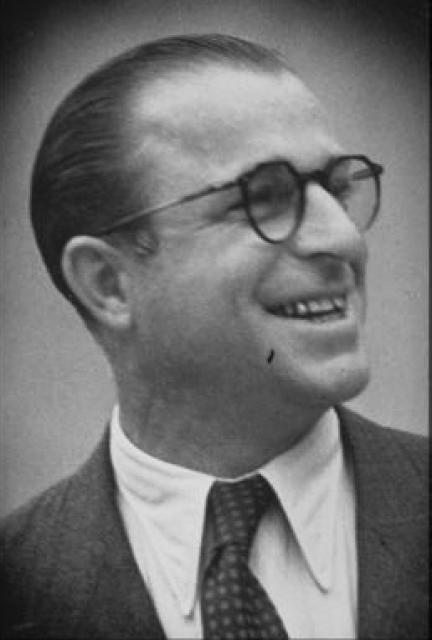
Anton Karas
 Austria
Biography of Anton Karas
Anton Karas, a Viennese zither player and composer, gained unexpected fame in the late 1940s when he composed and recorded the music for the famous film noir 'The Third Man' directed by Carol Reed. The film became a global sensation, and along with it, the film's musical theme became popular, propelling Karas to stardom.
Early Life and Musical Beginnings
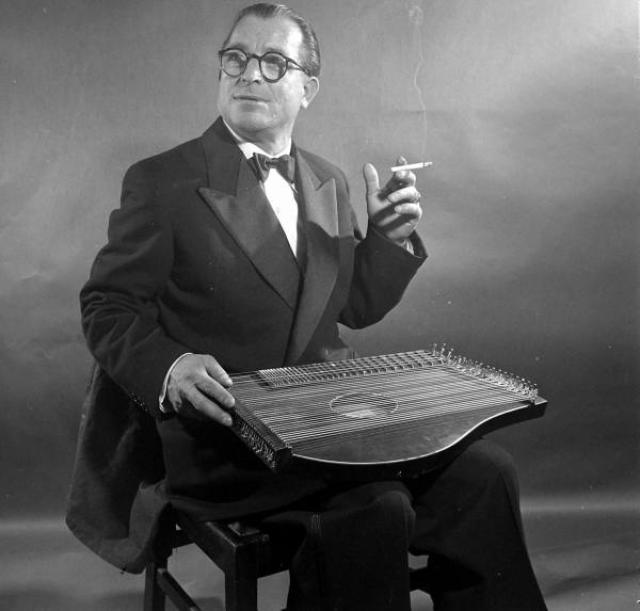
Anton, one of five children, was born on July 7, 1906 in Vienna, Austria, to a family of mixed Hungarian and Czech heritage. Even as a child, he had a keen interest in music and dreamt of forming his own ensemble, though their poverty made it impossible. However, Anton and his two brothers and two sisters were allowed to learn to play the zither, a simple instrument. He later recounted finding his first zither in his grandmother's attic when he was twelve years old. At fourteen, Anton began working as an apprentice in a locksmith workshop as per his father's orders, while also taking private music lessons in the evenings. In 1924, he completed his locksmith training and found employment at an automobile factory, where he worked until January 1925 when he was laid off. During this time, Karas continued his studies at the Vienna University of Music and Performing Arts, but he needed to support himself, so he started playing music in local wine taverns called Heurige. Soon, he realized that he could earn more money through music than his father did at the factory. In 1928, Karas graduated from university.
War Years and Film Success
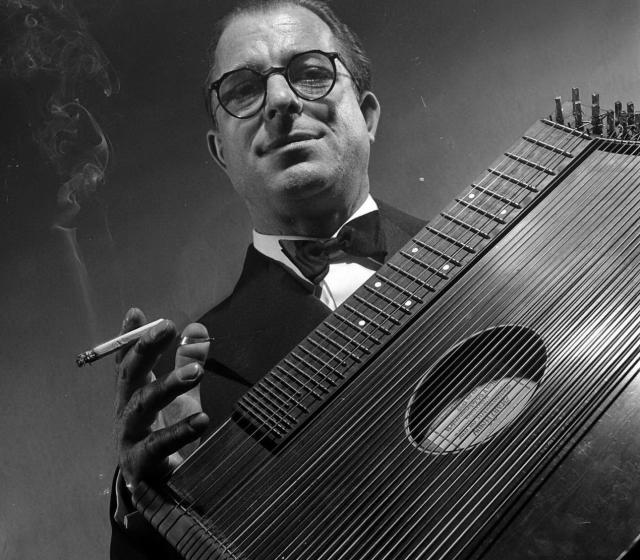
In 1930, Anton got married, and three months later, his daughter was born. When World War II broke out, Karas was drafted into the German anti-aircraft defense from 1939 to 1945, and he even served in Russia for a period of time, always trying not to part with his zither. Many of his instruments were destroyed during the war, but Karas always managed to find a new one. In 1948, director Carol Reed was preparing to shoot 'The Third Man' in Vienna when he heard Karas playing in one of the Heurige and asked him to participate in recording the film's soundtrack. It is not known where and how they met, but it is believed that Reed, who desperately sought the main musical theme for the film, was captivated by the simple yet poignant sound of the zither. Karas initially refused the offer, claiming that he had never composed music and only improvised, but the director convinced him. Karas went to England but soon became homesick and requested permission to return. Reed agreed, on the condition that he finished the soundtrack first. Thus, the film 'The Third Man' gained its iconic musical theme. Both the 'Oscar-winning' film and its music achieved immense success, dramatically changing Anton's life. From that moment on, he toured around the world and performed before celebrities, including members of European royal families and Pope Pius XII.
Later Years and Legacy
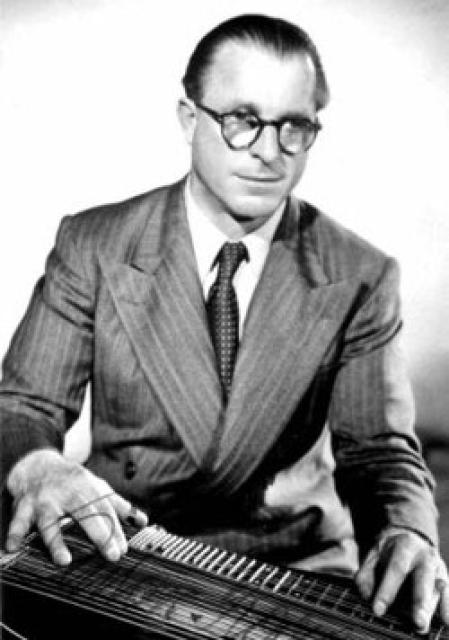
By the end of 1949, half a million copies of 'The Harry Lime Theme' had been sold, an unprecedented number for that time. The success of the soundtrack also led to a sharp increase in demand for zithers. The film premiered in Austria on March 10, 1950, at the 'Apollo Kino' cinema in Vienna. Initially, some of the viewers were offended by how their beloved city was portrayed in the film – as a gloomy, semi-destroyed place full of dangers and gangsters. Newspaper critics despised the film, but they loved its music. When Karas returned to Austria after his first worldwide tour in July 1950, he was greeted by Chancellor Leopold Figl and other government members. However, most Austrians enjoyed the film. In Brigittenau, the district where Karas was born, people lined up for tickets, which sold out eight days in advance. Despite his success, Karas was burdened by his fame and did very little to sustain or develop his musical career. According to his own words, he was no star and did not want to be one; his only desire was to finally return home. Nevertheless, he embarked on a second concert tour in 1951, visiting Montreal and Las Vegas. This was followed by third, fourth, and subsequent tours, including performances in Japan in 1962, 1969, and 1972, where Karas played for Emperor Hirohito. In 1954, he opened his own tavern, which immediately became a fashionable place for movie celebrities, including Orson Welles, Gina Lollobrigida, and many others. This attracted tourists and provided the Karas family with a good income. In 1966, Anton retired from public life and tried to avoid public attention. He passed away on January 10, 1985.


