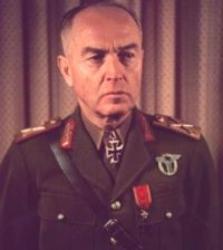
Antonio Doria Pamphilj
 Italy
Italy- Cardinal Pamphili Doria: A Preeminent Figure in the Catholic Church
- Prefect and Camerlengo
- Leadership in Various Congregations
- Conclaves and Papal Coronation
- Later Years
Cardinal Pamphili Doria: A Preeminent Figure in the Catholic Church
Early Life and Elevation to CardinalGiovanni Andrea Doria Pamphili was born into the illustrious Roman family of Doria. Embracing a religious vocation, he ascended the ranks of the Catholic hierarchy, culminating in his elevation to the cardinalate by Pope Pius VI on February 14, 1785. As a cardinal-deacon, he held the diaconate of Saints Cosmas and Damian.
Prefect and Camerlengo
Throughout his distinguished career, Cardinal Doria Pamphili held numerous prominent positions within the Church. He served as Prefect of the Sacred Congregation of Water from 1801 to 1821. In 1818, he was appointed Camerlengo of the Sacred College of Cardinals, a role he held for a year.
Leadership in Various Congregations
Cardinal Doria Pamphili's influence extended to other key congregations. In 1820, he became Prefect of the Sacred Congregation of the Discipline of Regulars. He also held the honor of being the Archpriest of the Patriarchal Liberian Basilica from 1819.
Conclaves and Papal Coronation
As the senior cardinal-deacon, Cardinal Doria Pamphili played a pivotal role in the conclaves following the death of Pope Pius VI. In 1799-1800, he announced the election of Cardinal Barnaba Chiaramonti as Pope Pius VII. Subsequently, he presided over the coronation of Pope Pius VII in Venice.
Later Years
Despite never progressing beyond the rank of deacon, Cardinal Doria Pamphili's contributions to the Church were significant. He remained an active member of the Sacred College until his death on January 31, 1821. His legacy as a preeminent figure in the Catholic hierarchy continues to inspire generations.