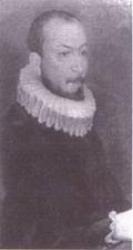
Antonio Stradivarius
 Italy
ItalyAntonio Stradivari: The Journey of a Master
Antonio Stradivari was born in 1644 in a small town near Cremona, Italy. His parents had fled to the town to escape a devastating plague that had hit the city of Cremona. Growing up in the countryside, Stradivari's father was a proud and frugal man with a noble ancestry. However, the small town and his father's strict ways stifled Stradivari's ambitions, and he yearned for more.

Stradivari tried his hand at various professions but faced failure at every turn. He attempted to become a sculptor like Michelangelo, but his statues lacked expression. He then turned to woodworking, creating wooden ornaments for rich furniture, and developed a passion for drawing and painting. But it was music that truly captivated him, and he decided to pursue a career as a musician. Despite his dedication to learning the violin, his fingers lacked the agility and finesse needed, and the sound he produced was dull and harsh. People said he had the ear of a musician and the hands of a woodcarver.
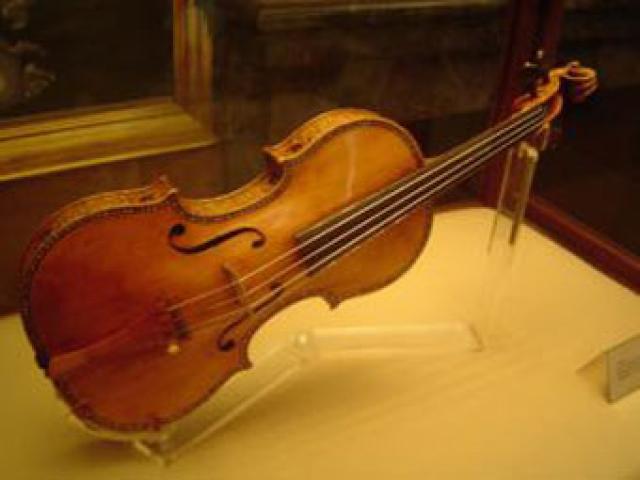
Unwilling to give up entirely, Stradivari continued to study the violin, even though he had abandoned the idea of becoming a musician. He closely observed his own violin, dissecting and studying it. He realized that the choice of wood, the thickness of the plates, and even the application of varnish played a crucial role in producing a beautiful sound. Inspired by the work of his mentor, Nicolo Amati, Stradivari decided to become a master violin maker.

In 1680, Stradivari left Amati's workshop and set up his own workshop in Cremona. He experimented with different shapes and sizes, creating violins that were longer, broader, and more distinctive. Each of his instruments had a unique voice, producing a free and melodic sound that set them apart from others. Stradivari's violins became highly sought after, and his craftsmanship and attention to detail earned him a reputation as one of the greatest violin makers of all time.
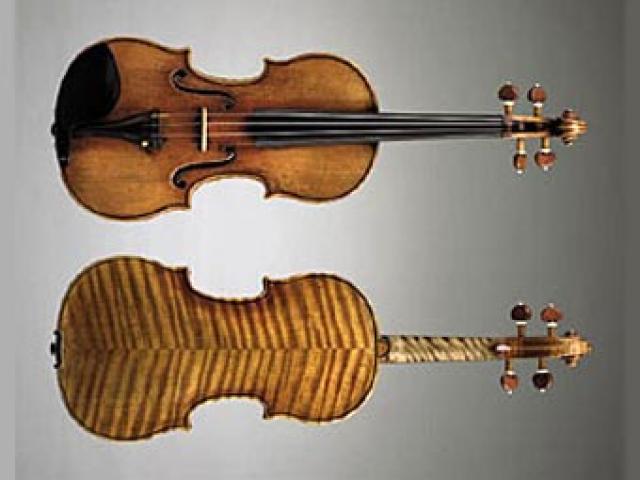
Stradivari's workshop was his sanctuary, filled with the smells of resins, varnishes, and woods. He meticulously selected the finest materials, spending hours examining the grain and texture of the wood. He believed in the power of the sun, drying his instruments on a rooftop terrace where they basked in its warm rays. He experimented with different varnishes, carefully applying layer after layer until the instrument achieved the desired tone and luster.

Despite his success, Stradivari remained a private and enigmatic figure. He guarded his secrets closely, especially the formulas for his varnishes. He spent countless nights in his laboratory, surrounded by vials, retorts, and scales, perfecting his craft. His sons and apprentices, Omo Bono and Francesco, watched with awe and frustration as their father refused to share his secrets with them. The mystery fueled their curiosity and drove them to be better craftsmen.
Stradivari's workshop became a hub of activity, with apprentices and students bustling to complete their assigned tasks under his watchful eye. Stradivari was strict and demanding, expecting perfection from his students. He would not hesitate to make them start over if even the smallest detail did not meet his standards. The intensity and passion he brought to his work were evident in the faces of his students, who strived to live up to his legacy.
As the years went by, Stradivari's violins evolved. He constantly experimented, refining his techniques, and pushing the boundaries of his craft. His instruments became darker and richer in color, and their sound became even more captivating. Stradivari's violins were not just musical instruments; they were works of art that sang.
Antonio Stradivari's legacy lives on, with his violins still considered the pinnacle of perfection in the world of stringed instruments. His dedication, craftsmanship, and unwavering pursuit of excellence have made him an icon in the world of violin making. Stradivari's instruments continue to captivate musicians and collectors alike, enchanting audiences with their timeless beauty and extraordinary sound.