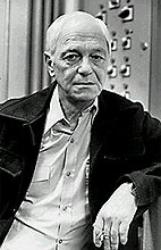
Arnolds Burovs
 Latvia
- Arnold Burovs: Legendary Latvian Director and Animator
- Theater and Film Career
- Animation Pioneer
- Recognition and Legacy
- Personal Life
Arnold Burovs: Legendary Latvian Director and Animator
Early Life and EducationArnold Burovs was born on April 29, 1915, in Riga, Latvia, to Albert Burovs. After his father's passing, Arnold juggled his studies with employment. He attended the 2nd Riga Gymnasium, Riga Art and Craft School, Riga People's Conservatory (violin), and Latvian Conservatory (double bass). Burovs graduated from the Bulduri Horticultural School (1941) and the theater faculty of the Latvian State Conservatory (1953).
Theater and Film Career
Burovs worked as an artist-decorator for the State Administration of Book Publishing and Typography (1941) before becoming a worker in the scenery workshop of the People's Theater (1941-1944). He was director and chief director of the State Puppet Theater of the Latvian SSR (1944-1964) and the Riga Musical Comedy Theater (1954-1959). From 1964, Burovs became a director at the Riga Film Studio, where he pioneered Latvian animation.
Animation Pioneer
As a director at the Riga Film Studio, Burovs played a significant role in the development of Latvian animation. His animated works demonstrate his exceptional artistic vision and creativity. Among his most notable animated films are "Lācis un lapsa" ("The Bear and the Fox," 1958), "Rūķītis" ("The Gnome," 1961), and "Pasaka par tēju" ("The Tea Tale," 1972).
Recognition and Legacy
Throughout his career, Arnold Burovs received numerous awards for his theatrical productions and animated films. He was named a People's Artist of the Latvian SSR in recognition of his outstanding contributions. Burovs' legacy lives on through his timeless works, inspiring future generations of artists and filmmakers.
Personal Life
Burovs married actress Eleanor Duda. He passed away on January 13, 2006, at the age of 90 in Riga, leaving behind a remarkable body of work and a lasting impact on Latvian culture.