Arnulf Metz
- Early Life and Political Influence
- Opposition to Queen Brunhilde
- Bishop of Metz
- Advisor to King Dagobert I
- Retirement and Canonization
- Legacy
Early Life and Political Influence
Arnulf, the progenitor of the Carolingian dynasty, emerged as a prominent political figure during the Merovingian era. Born between 580 and 582, he served as an influential official at the court of King Theodebert II of Austrasia.
Opposition to Queen Brunhilde
In 613, Arnulf joined forces with Pippin to lead an aristocratic uprising against Queen Brunhilde. Their successful campaign resulted in the reunification of the Frankish kingdoms under King Clothar II.
Bishop of Metz
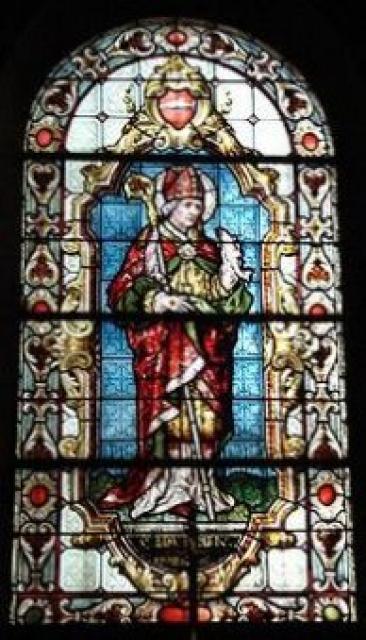
Following the Merovingian succession, Arnulf was appointed Bishop of Metz in recognition of his political contributions. He played a key role in the administration and unification of the Frankish realm.
Advisor to King Dagobert I
From 623 onwards, Arnulf served as an esteemed advisor to King Dagobert I. He provided valuable counsel and guidance on matters of state and religion.
Retirement and Canonization
In 627, Arnulf retreated from public life and became an ascetic. He spent his remaining years in seclusion at the Remiremont Abbey. Upon his death, he was canonized by the Catholic Church.
Legacy
Arnulf of Metz left an enduring legacy as a political and ecclesiastical leader. He played a pivotal role in shaping the Carolingian dynasty, which would later produce Charlemagne, the father of Europe. As the patron saint of brewers, his name continues to be associated with the art and tradition of brewing.