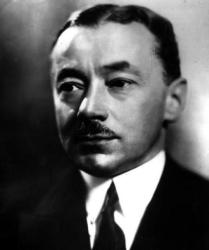
Arthur Wellington
 Great Britain
- Arthur Wellesley, the First Duke of Wellington
- Military Career
- Peninsular War
- Siege of Ciudad Rodrigo
- Battle of Salamanca and Occupation of Madrid
- Battle of Vitoria
- Invasion of France and Battle of Waterloo
- Post-War Career
- Political Career
- Later Life and Legacy
Arthur Wellesley, the First Duke of Wellington
Early Life and EducationArthur Wellesley was born on May 1, 1769, in Dublin, Ireland, the third son of Garrett Wesley, 1st Earl of Mornington. He was educated at Eton College and the Royal Military Academy in Angers, France.
Military Career
Wellesley began his military career in 1787. In 1794, he participated in the Flanders Campaign. In 1797, he embarked to India, where he distinguished himself in the war against Tipu Sultan, particularly at the siege of Seringapatam (1799). He was appointed governor of Mysore after the city's capture.
Peninsular War
In 1808, Wellesley was sent to Portugal to command the British forces in the Peninsular War. He achieved early successes, defeating Marshal Junot at Vimeiro. In 1809, he returned to Portugal and led the epic march across the Douro River, capturing Oporto and forcing Marshal Soult to retreat.
Siege of Ciudad Rodrigo
In 1810, Wellesley took the fortress of Ciudad Rodrigo, demonstrating his tactical brilliance. His efforts earned him the title of Viscount Wellington.
Battle of Salamanca and Occupation of Madrid
In 1812, Wellesley defeated Marshal Marmont at the Battle of Salamanca, paving the way for his entry into Madrid. He was made Earl of Wellington and Duke of Ciudad Rodrigo.
Battle of Vitoria
In 1813, Wellesley expelled the French from Spain with a decisive victory at the Battle of Vitoria. For this victory, he was promoted to Field Marshal.
Invasion of France and Battle of Waterloo
In 1814, Wellesley invaded France and defeated Marshal Soult in a series of battles. After Napoleon's return to power in 1815, Wellesley took command of the Anglo-Dutch army at the Battle of Waterloo. He won a decisive victory, ending Napoleon's rule.
Post-War Career
Wellesley received substantial rewards for his military exploits. He was created Duke of Wellington and awarded a sum of £300,000 to purchase an estate. He served as ambassador to France from 1814 to 1818.
Political Career
Wellesley entered politics in 1806 and served briefly as Prime Minister in 1828. He retired from the political stage in 1830 after the July Revolution in France.
Later Life and Legacy
Wellesley remained a respected figure in British society. He held the positions of Commander-in-Chief of the Forces, Governor of the Tower of London, Lord Warden of the Cinque Ports, and Chancellor of the University of Oxford. He died in 1852 and was buried with royal honors in St. Paul's Cathedral in London. Wellesley's legacy as a military commander and statesman continues to be celebrated today.