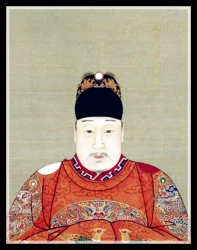
Astyages
Astyages was the last king of the Medes, ruling in the sixth century BCE as the balance of power in the ancient Near East shifted toward Persia. His reign ended when Cyrus II, later known as Cyrus the Great, defeated the Median kingdom and captured its capital. The surviving accounts of Astyages mix historical evidence with dramatic later storytelling, making him a compelling but partly elusive figure.
Heir to the Median Kingdom
Astyages was the son of Cyaxares, the Median ruler associated with the kingdom’s rise as a major power. He succeeded his father around 585 BCE and ruled for roughly three and a half decades, according to the chronology preserved by Greek writers. His realm was centered in western Iran, with its royal capital at Ecbatana, near modern Hamadan.
The Medes occupied a pivotal position among the powers of the region, alongside Babylonia, Lydia, and Egypt. Astyages’ court was connected to these neighboring kingdoms through diplomacy and dynastic ties. Herodotus, writing generations later, describes Astyages as the grandfather of Cyrus through Cyrus’s mother, Mandane. That relationship is part of the Greek tradition about Cyrus’s origins, though not independently established by contemporary records.
Cyrus’s Revolt
The most secure outline of Astyages’ downfall comes from Babylonian records. The Nabonidus Chronicle reports that in 550 BCE Astyages mobilized his forces and marched against Cyrus, king of Anshan, a Persian ruler who had been under Median authority. The campaign ended in defeat for the Medes. Cyrus took Ecbatana and brought the Median kingdom under Persian rule.
Herodotus supplies a more elaborate narrative. In his account, Astyages had troubling dreams about a future descendant, and attempts to prevent their fulfillment ultimately brought Cyrus into the Persian royal family. Herodotus also says that Harpagus, a Median noble angered by Astyages, helped Cyrus win over the Median army. These episodes are famous, but they belong to a literary tradition shaped by legend and cannot all be verified. The Babylonian evidence supports the conquest itself, while the personal details remain uncertain.
After the Fall
The sources do not agree on Astyages’ fate after his capture. Herodotus says Cyrus spared him and kept him at court; another ancient account gives a different version. Contemporary Babylonian records confirm the Median defeat but say little about the former king’s later life. His date of death is unknown.
Astyages’ defeat marked a major political transition. Cyrus incorporated Median lands, elites, and traditions into the expanding Persian state, creating an empire that would soon stretch across much of western Asia. The Medes did not simply disappear: they remained an important people within the new imperial order.
A King Between History and Legend
Astyages is often portrayed as either a cruel ruler undone by his own suspicion or a king defeated by a rising Persian power. The contrast reflects how differently later writers told his story, not a verdict that can be securely reconstructed. What can be said with confidence is that he inherited a formidable kingdom, confronted Cyrus’s challenge, and lost the decisive campaign around 550 BCE. His brief appearance in the documentary record stands at the hinge between Median ascendancy and the Persian Empire.