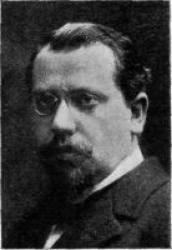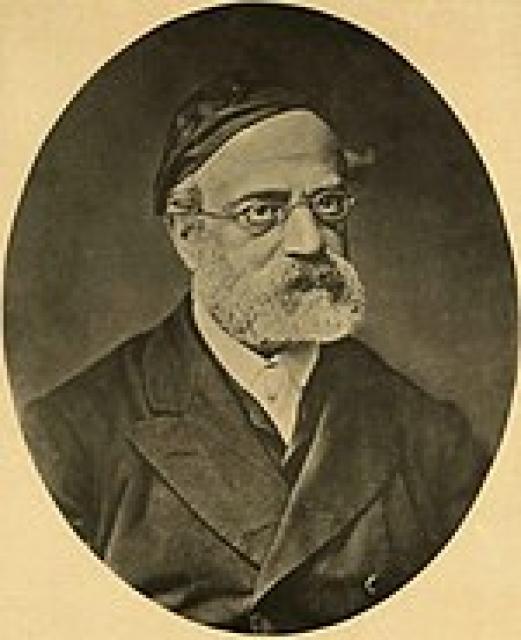
Azriel Hildesheimer
 Germany
- Rabbi Azriel Hildesheimer: A Pioneer of Orthodox Modernism
- Early Life and Education
- Influence of Rabbi Ettlinger
- Forbidden Enlightenment
- Gradual Acceptance of Secular Education
- Founding of the Berlin Rabbinical Seminary
- Contribution to Orthodox Modernism
- Legacy
Rabbi Azriel Hildesheimer: A Pioneer of Orthodox Modernism
Rabbi Azriel Hildesheimer was a pivotal figure in the development of Orthodox Judaism in the 19th century. As a rabbi and philosopher, he played a major role in the establishment of Berlin's Rabbinical Seminary and the promotion of Jewish education.
Early Life and Education
Hildesheimer was born in 1820 in Halberstadt, Prussia, to a family of rabbis. Despite his father's initial opposition to secular education, Hildesheimer attended the Hebrew school "Hasharat Zvi," where he studied both Jewish and secular subjects. After his father's death, his brother sent him to the yeshiva in Altona, where he became a student of Rabbi Jacob Ettlinger.
Influence of Rabbi Ettlinger
Rabbi Ettlinger was a proponent of blending traditional Jewish education with secular knowledge. He taught his students in German and encouraged them to study philosophy and other subjects. Ettlinger's influence on Hildesheimer was profound, and he later became a strong advocate for the establishment of a rabbinical seminary.
Forbidden Enlightenment
At the time, many rabbis vehemently opposed the spread of the Enlightenment among Jews. They feared that it would undermine traditional Jewish beliefs and practices. However, a growing number of Jewish intellectuals, such as Moses Mendelssohn, believed that it was possible to embrace European culture while remaining faithful to the Torah.
Gradual Acceptance of Secular Education
As European culture became increasingly prevalent, some Jewish leaders began to recognize the necessity of Jewish education that incorporated secular subjects. Rabbi Shmuel Landau, the son of Rabbi Yehezkel Landau, advocated for "Torah v'Derech Eretz," a combination of traditional and secular learning.
Founding of the Berlin Rabbinical Seminary
In 1869, Hildesheimer was instrumental in founding the Berlin Rabbinical Seminary. The seminary's mission was to train rabbis who could bridge the gap between traditional Jewish learning and the demands of modern society. Hildesheimer served as the seminary's first rector until his death in 1899.
Contribution to Orthodox Modernism
Hildesheimer's work helped to lay the foundations for Orthodox modernism, a movement within Judaism that sought to fuse traditional Jewish beliefs with the cultural and intellectual currents of the modern world. He believed that it was possible to be both a devout Jew and an educated citizen of the modern world.
Legacy
Hildesheimer's influence on Judaism continues to this day. As the founder of the Berlin Rabbinical Seminary, he helped to create a generation of rabbis who were able to navigate the challenges of the modern world while maintaining their commitment to tradition. His ideas continue to inspire Jewish communities around the world.