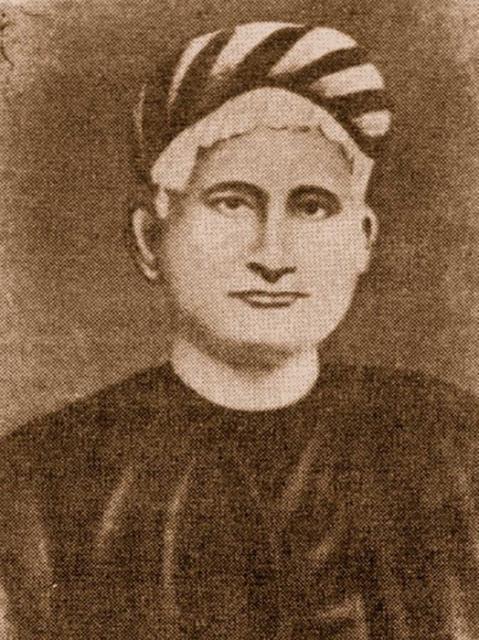
Bankim Chattertdzhi
 India
India- Early Life and Education
- Literary Career
- "Bangadarshan" and Literary Influence
- Historical Novels and Nationalism
- Political Radicalism and Conservatism
- Death and Legacy
Early Life and Education
Bankim Chandra Chatterjee, renowned as the father of modern Bengali prose, was born on June 27, 1838, into a Brahmin family in West Bengal. At the age of 20, he graduated with a Bachelor of Arts degree from the University of Calcutta.
Literary Career
Chatterjee began his literary journey by writing poems in English, including his novel "Raj Mohan's Wife" (1864). However, he soon shifted to his native Bengali language, penning his first Bengali novel, "Durgeshnandini" (The Daughter of the Commander), in 1865.
"Bangadarshan" and Literary Influence
In 1872, Chatterjee founded the influential literary journal "Bangadarshan" (Mirror of Bengal). Many of his novels and essays were first published in this magazine, shaping the course of Bengali literature.
Historical Novels and Nationalism
Chatterjee's novels often explored India's past, seeking to revive the spirit of nationalism. His work played a significant role in fostering Indian nationalism. His novel "Anandamath" (Abbey of Bliss) (1882) featured the iconic hymn "Vande Mataram" (I Bow to Thee, Mother), which became a rallying cry during the independence movement.
Political Radicalism and Conservatism
Chatterjee's political views were influenced by a combination of Hindu philosophy and the positivism of Auguste Comte. Despite his radicalism, his writings on social issues remained conservative. His novels "Bishbrikkho" (The Poison Tree) (1873) and "Krishnakantar Will" (1878) warned against romantic love that threatened stable family structures.
Death and Legacy
Bankim Chandra Chatterjee passed away in Calcutta on April 8, 1894. His contributions to Bengali literature remain unparalleled, solidifying his place as a literary icon and a pivotal figure in the Indian nationalist movement.