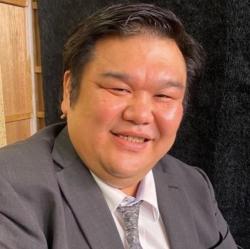
Baruto Kaito
 Estonia
- Baruto: Estonian Sumo Legend
- Rise to Ōzeki
- Accomplishments and Awards
- Demise and Retirement
- Fighting Style
- Personal Life
- Interesting Facts
Baruto: Estonian Sumo Legend
Early Life and Sumo CareerBorn Kaido Höövelson, Baruto is an Estonian professional sumo wrestler and mixed martial artist. He retired in September 2013 with the highest rank in his career - ōzeki. His shikona "Baruto" is derived from the Japanese name for the Baltic Sea, and "Kaito" from his given name.
Growing up, Baruto played basketball and practiced judo. He discovered amateur sumo at age 15 and quickly achieved success. At 18, he became the Estonian sumo champion in the openweight category. After struggling to choose a career and lacking funds for higher education, he worked as a security guard.
In 2004, with the support of national and international amateur sumo federations, Baruto traveled to Japan. He trained at Nihon University's sumo club and eventually joined the Mihogaseki stable.
Rise to Ōzeki
Baruto progressed rapidly through the ranks, but his ascent was occasionally interrupted by injuries, particularly a persistent knee problem. He reached the level of ōzeki after a stellar 14-1 performance at the Haru basho in 2010, becoming the second European ōzeki after Kotoōshū.
Known for his constant smile and reluctance to injure opponents, Baruto often held defeated wrestlers back from falling off the dohyo. He spoke Estonian (his native language), German, English, Russian, and Japanese.
Accomplishments and Awards
In January 2012, Baruto won his first Emperor's Cup. He also triumphed in the second-highest division, jūryō, three times, once with a perfect 15-0 record. Additionally, he secured victories in the makuuchi, jōnidai, and jōnokuchi divisions. In spring 2012, he received the Estonian Order of the White Star, 3rd class, for promoting friendship between Estonia and Japan.
Demise and Retirement
Back-to-back tournament withdrawals due to injuries in 2012 cost Baruto his ōzeki rank. He failed to achieve the ten wins required to regain it at the January 2013 basho but maintained his sekiwake status with a minimum kachi-koshi. In May 2013, he withdrew again due to a knee injury and was demoted to the sixth maegashira rank in the July banzuke. However, he could not recover in time for the July basho and announced his retirement in September 2013.
After retirement, Baruto planned to return to Estonia and promote sumo in his home country. He underwent an official retirement ceremony in February 2014, where his topknot was cut off.
Fighting Style
Baruto employed a powerful, offensive fighting style, utilizing his exceptional physical abilities. He sometimes performed the rare technique of lifting an opponent by the belt and carrying them outside the dohyo (tsuri dashi). From March 2010 onward, he incorporated alternating hand thrusts (tsuppari) into his style, enriching his repertoire and expanding his options.
Personal Life
Baruto married Elena Tregubova, a Japanese resident of Vladivostok, in 2009.
Interesting Facts
Baruto's first victory over a yokozuna came in his 19th attempt, when he defeated Hakuhō with a sukunage throw in January 2010. Prior to that, he had consistently lost to both Hakuhō and Asashōryū. His overall record against yokozuna was 3-36 (0-9 against Asashōryū, 3-25 against Hakuhō, 0-2 against Harumafuji).