Ben Metcalfe
 Canada
Biography of Ben Metcalfe
Ben Metcalfe, born in 1920 in Winnipeg, Canada, was a veteran of the British Royal Air Force, a professional journalist, and a public relations specialist. From an early age, Metcalfe had a passion for aviation and joined the Royal Air Force at the age of 16. He served as an air gunner in India during the country's struggle for independence from Britain, where he was influenced by the philosophy of Mahatma Gandhi. Rather than following orders to bomb Indian villages, Metcalfe and his pilot chose to drop their bombs in empty fields.
During World War II, Metcalfe served in Africa and participated in the Battle of El Alamein in 1942 against the fascist forces. After the war, he worked as a journalist in France and returned to his homeland in 1951 to work as a reporter for the Winnipeg Free Press. He later moved to Vancouver, where he worked for the Province newspaper and CBC.
In the 1960s, Metcalfe and his second wife, Dorothy, founded a public relations company. It was in 1969 that Metcalfe first encountered environmental issues when his firm was hired by an entrepreneur who wanted to establish an Environmental Museum in the suburbs of Vancouver. Metcalfe created a series of advertising posters with the slogan, "Ecology? Look Around, You're a Part of It." The campaign was a tremendous success, leading Metcalfe to focus exclusively on PR campaigns related to the environment.
On October 14, 2003, at the age of 83, Ben Metcalfe passed away in his home from a heart attack. Throughout his life, he had two sons, Christopher and Michel, both of whom tragically predeceased him. Metcalfe's organization, Greenpeace, which he co-founded, has grown to have 2.5 million activists in 27 countries.
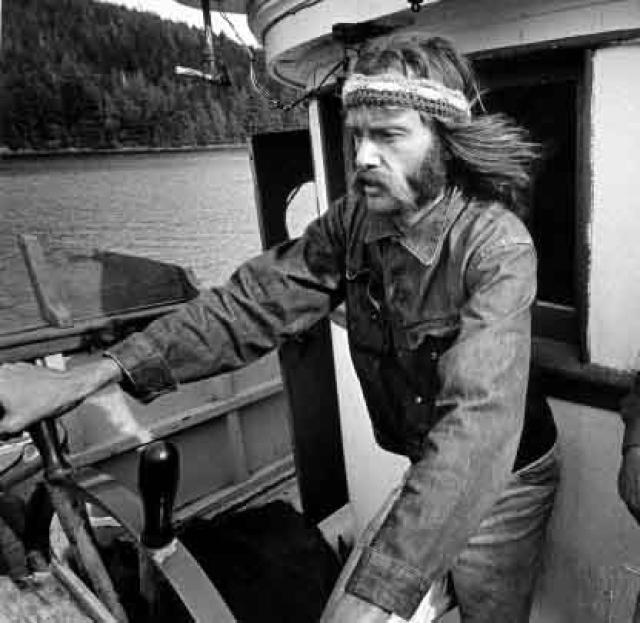
Metcalfe's dedication to environmental causes extended beyond his work with Greenpeace. In 1969, he became the coordinator of the "Don't Make a Wave Committee," which aimed to prevent a nuclear bomb test on Amchitka Island, near Alaska. When peaceful demonstrations failed to stop the test, Metcalfe and 11 other activists, including a Canadian journalist, set sail in a small boat towards Amchitka. Their plan was to put themselves in harm's way to prevent the explosion. Although the test was ultimately canceled for reasons unrelated to their efforts, this event brought Metcalfe and Greenpeace international fame.
In 1972, Metcalfe sailed to the Moruroa atoll in the South Atlantic to halt French nuclear tests in a similar manner. He chartered a ship called "Vega," owned by David McTaggart, who later became the president of Greenpeace. This journey solidified Greenpeace as a global movement.
In his later years, Ben Metcalfe lived in Canada, near Victoria, in a private home by the lake, with his second wife, Dorothy, whom he had divorced but remained close to. He outlived both of his sons, but his daughter from his second marriage, Michelle, resides in Canada, while his daughters from his first marriage, Charlotte and Sophie, live in France. Metcalfe's legacy as a pioneer in environmental activism continues to inspire millions of people worldwide.