
Beth Prout
 Great Britain
- Beth Prout: A Welsh Nurse Victimized by Postcode Lottery
- NHS Funding Delay
- Postcode Lottery Injustice
- Political Intervention
- Ethical Concerns
- Structure of Welsh Healthcare
- Geographical Boundaries and Disparities
- Restrictions on Medication
Beth Prout: A Welsh Nurse Victimized by Postcode Lottery
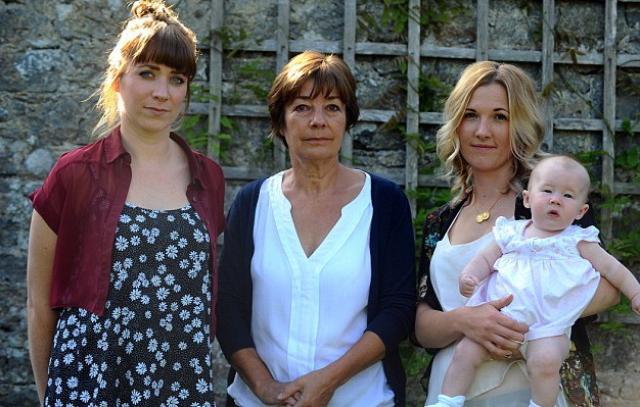
Cancer and Insurance DenialBeth Prout, a nurse from Pembroke, Wales, faced a life-threatening diagnosis of a rare form of stomach cancer. Despite the existence of two specialist hospitals in the UK that could perform the necessary surgery, Prout's treatment was denied due to financial and geographical barriers.
NHS Funding Delay
The Welsh NHS initially refused to cover the cost of Prout's surgery, despite the urgency of her condition. The hospital in Manchester was willing to provide the care, but funding was delayed due to alleged "clinical data" and a need for further review. Prout expressed her frustration, highlighting her history of tax contributions and the government's reluctance to support her time of need.

Postcode Lottery Injustice
Prout also criticized the unfairness of the "postcode lottery," a system that discriminates against patients based on their location and postcode. She argued that English patients would have received treatment much sooner, while Welsh citizens were often treated as second-class citizens.
Political Intervention
Local MP Simon Hart intervened on Prout's behalf, contacting the Welsh NHS committee and expressing his shock and disappointment at the situation. He believed that English patients would have received more prompt and effective treatment in similar circumstances.
Ethical Concerns
Prout's doctor also condemned the ethical implications of denying her surgery. He stated that the refusal of treatment was unjust and called for a more equitable healthcare system.
Structure of Welsh Healthcare
Devolution and Local AuthoritiesThe Welsh NHS was devolved to the Welsh Government in 1999. It is overseen by seven local health boards, which administer healthcare services in different regions.
Geographical Boundaries and Disparities
The decentralized nature of the system has created geographical disparities in healthcare access. The postcode lottery arises from the division of responsibilities among health boards, restricting patients' choices based on their location.
Restrictions on Medication
In some cases, prescriptions for specific medications are limited to certain regions, while neighboring areas may have no restrictions. This further exacerbates the postcode lottery effect, creating unequal access to essential treatments.


