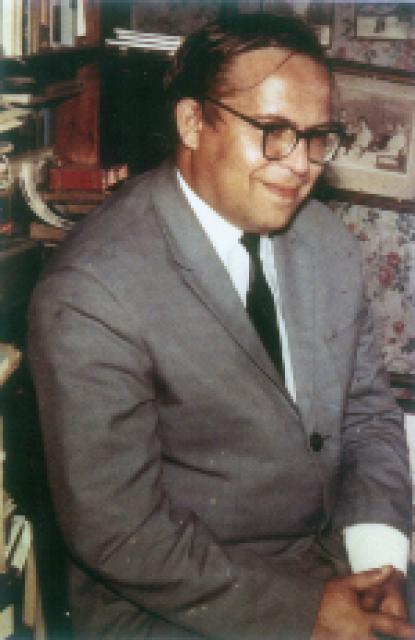
Bronislav Kuznetsov
- Early Life and Education
- Rebirth of Tibetology and Language Expertise
- Scholarly Pursuits and Dissertation
- Academic Publications and Translations
- Final Years and Translation Endeavors
Bronislav Ivanovich Kuznetsov: A Pioneer in Tibetology and Iranian Influence Theories
Early Life and Education
Bronislav Ivanovich Kuznetsov was born in Leningrad in 1931. During World War II, he endured the Siege of Leningrad and sustained serious injuries. In 1950, he graduated from the Chinese Philology Department at Leningrad State University (LSU) and subsequently entered postgraduate studies.
Rebirth of Tibetology and Language Expertise
In the mid-1950s, the teaching of Tibetan language resumed at the Oriental Faculty of LSU. Inspired by B.I. Pankratov, Kuznetsov began his study of Tibetan, initially under the guidance of V.S. Vorobyev-Desyatovsky. He spent a summer in the Ivolginsky Datsan in Buryatia, immersing himself in the Buddhist milieu. As a postgraduate student, Kuznetsov commenced teaching Tibetan at the Oriental Faculty. He eventually became the head of the country's sole Tibetan Philology Department, a position he held until his passing.
Scholarly Pursuits and Dissertation
In 1962, Kuznetsov defended his PhD dissertation. His research focused on Iranian influences in Tibetan Buddhism, a novel concept that gained him recognition as a prominent Tibetologist. Kuznetsov actively contributed to the academic and cultural communities. In 1972, he courageously spoke out in defense of Buddhist scholar B.D. Dandaron, who faced persecution.
Academic Publications and Translations
Throughout his life, Kuznetsov published numerous scholarly articles on philology, history, ethnography, and religious studies. Several of these works were co-authored with renowned historian L.N. Gumilyov. Posthumously, a significant portion of his writings was published, further enriching the field of Tibetology.
Final Years and Translation Endeavors
In the twilight of his life, Kuznetsov dedicated himself to translating the "Lamrim Chenmo," a seminal text by the 14th-century Tibetan master Tsongkhapa. This project would remain unfinished upon his passing. Kuznetsov's legacy as a pioneering Tibetologist and advocate for Tibetan culture continues to inspire scholars and enthusiasts alike.




