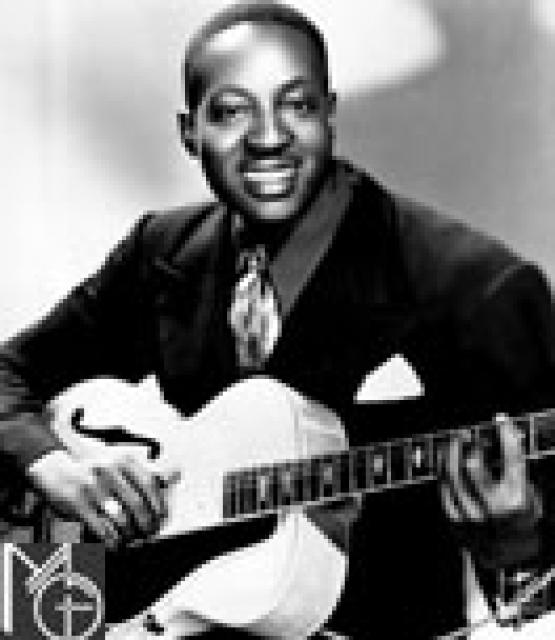
Broonzy Big Bill
 USA
USA- Big Bill Broonzy: A Legendary Bluesman
- Migration to Chicago and Guitar Mastery
- Rise to Fame and Blues Ambassador
- Financial Struggles and Adaptation
- Later Career and Legacy
- Influence and Honors
- Conclusion
Big Bill Broonzy: A Legendary Bluesman
Early Life and Musical RootsBig Bill Broonzy was born William Lee Conley in Scott, Mississippi, on June 26, 1893. His early experiences shaped his distinctive musical style. As a teenager, he honed his vocal prowess while leading mule teams. Inspired by his uncle, he crafted a violin and mastered it. Broonzy briefly served as a preacher, but his heart yearned for a life in music.
Migration to Chicago and Guitar Mastery
During World War I, Broonzy enlisted in the army. After his discharge, he relocated to Chicago, where he encountered the legendary blues guitarist "Papa" Charlie Jackson. Under Jackson's tutelage, Broonzy rapidly developed remarkable guitar skills. By the late 1920s, his recordings showcased his fluent and assertive guitar playing in both blues and ragtime styles.
Rise to Fame and Blues Ambassador
Broonzy's charismatic vocals and masterful guitar work earned him immense popularity during the 1930s. His recordings became bestsellers among blues enthusiasts. As an accompanist, he collaborated with numerous artists, including his half-brother Washboard Sam. Broonzy's music reflected the experiences of African Americans who migrated North while maintaining their Southern cultural ties. He became an ambassador for blues, bridging the gap between its regional roots and the burgeoning national entertainment industry.
Financial Struggles and Adaptation
Despite his star status, Broonzy struggled financially. The meager earnings from the music industry forced him to seek employment outside of music until his later years. After World War II, he successfully transitioned to a predominantly white audience, appealing to jazz enthusiasts and the burgeoning folk revival movement.
Later Career and Legacy
Broonzy's later career was marked by experimentation and reinvention. He embraced electric guitar and backing bands in the 1940s, becoming an early pioneer of electric Chicago blues. However, he often returned to his acoustic folk-blues roots. In 1951, he became one of the first bluesmen to tour Europe.
Influence and Honors
Broonzy's captivating storytelling and swinging guitar style left an enduring legacy. He mentored young blues legends like Muddy Waters, who later released an album in his honor. In 1955, Broonzy published an autobiography filled with anecdotes and insights into the blues world. Despite his untimely death from cancer in 1958, his name was inducted into the Blues Foundation Hall of Fame in 1980.
Conclusion
Big Bill Broonzy was a towering figure in blues history. His musical versatility, powerful vocals, and charismatic personality made him a beloved ambassador of the genre. His legacy continues to inspire and engage blues enthusiasts around the world.


