Carl Carls
 Germany
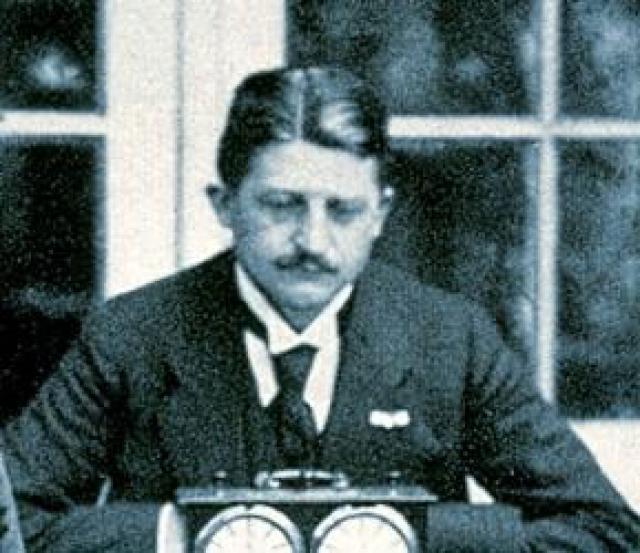
Carl Carls was a German chess master whose career bridged the world of competitive chess and the professional life of a banker. A fixture of Bremen’s chess scene, he earned national recognition through tournament victories and represented Germany in international team competition.
Early life and career
Born in Varel on September 16, 1880, Carls learned chess at the age of 13. He studied the work of German master Siegbert Tarrasch, who became an important model for his chess. After completing commercial training, Carls worked as a bank employee in Hanover. He moved to Bremen in 1906, helped establish the Bremer Creditbank, and became its director in 1908.
A champion at the board
Carls began competing in German Chess Federation tournaments in 1898. He placed fourth in the master tournament at Hamburg in 1905 and received a prize for the best game. At the 1911 German Chess Federation congress in Cologne, he won the master tournament and the title of German champion. The following year, at Breslau, he made his debut in an international master tournament and finished ahead of Tarrasch and Rudolf Spielmann.
His later results kept him among Germany’s leading players. He finished second at Bad Oeynhausen in 1922 and third at the major Baden-Baden tournament in 1925. In 1934, he won the German championship tournament in Aachen. The FIDE awarded him the title of International Master in 1951.
Team play and signature style
Carls represented Germany at the Chess Olympiads in London in 1927 and Hamburg in 1930. In London he scored 9.5 points from 15 games, the strongest result among the German players; at home in Hamburg, the German team took bronze. He also competed at the 1928 Amateur World Championship in The Hague, finishing seventh.
His opening choice became a calling card: with White, he regularly began with 1.c4, now known as the English Opening. In Bremen, this move was also associated with the city’s chess tradition as the “Bremen Opening.” Carls was remembered as a tactically resourceful player, and his distinctive consistency with 1.c4 made his games recognizable.
Life in Bremen and legacy
Alongside his banking career, Carls remained closely connected with the Bremer Schachgesellschaft, serving as a club champion and chairman and later becoming an honorary member. He also won Bremen city championships. His life and work made him a central figure in the city’s chess history.
Carls died in Bremen on September 11, 1958, five days before his 78th birthday. His name continues to be commemorated in Bremen through the Carl Carls Memorial, reflecting his lasting place in the local chess community.