Carl Ditters von Dittersdorf
 Austria
- August Karl Dittersdorf: A Musical Prodigy
- Imperial Orchestra and Italian Influence
- Court Composer and Nobleman
- Musical Collaborations
- Dismissal and Legacy
- Notable Compositions
- Opera and Musical Theater
August Karl Dittersdorf: A Musical Prodigy
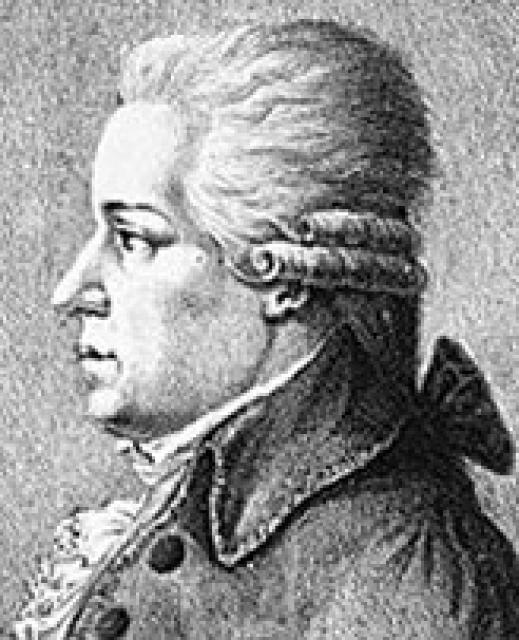
Born into a family of military descent in the suburbs of Vienna, August Karl Dittersdorf began his musical journey at the tender age of six, learning the violin. At 17, he joined the orchestra of the Schottenkirche in Vienna, and shortly after, the orchestra of Prince Joseph Friedrich of Saxe-Hildburghausen. There, he studied composition under Giuseppe Bonno and struck up friendships with Gluck and Haydn.
Imperial Orchestra and Italian Influence
In 1761, Dittersdorf joined the orchestra of the Imperial Theater and embarked on a life-changing trip to Bologna in 1763 with Gluck. This journey left a profound impact on his musical style.
Court Composer and Nobleman
In 1764, Dittersdorf was appointed conductor of the orchestra of the Bishop of Nagyvarad (present-day Oradea) and later met Bishop Philip Gotthard von Schaffgotsch of Breslau. Invited to his castle in Johannesberg, Dittersdorf became the court composer in 1771 and was granted a neighboring estate, Jeseník, in 1773. Subsequently, he was ennobled and adopted the surname von Dittersdorf.
Musical Collaborations
While residing in Vienna, Dittersdorf participated in a string quartet with Mozart, Haydn, and his pupil Vanhal, serving as the first violinist.
Dismissal and Legacy
Following a conflict with the bishop, Dittersdorf was forced to leave Johannesberg in 1794 and was subsequently invited to Baron von Stillfried's castle in Červená Lhota. There, he dedicated himself to organizing his extensive collection of compositions. Shortly before his passing, Dittersdorf completed an autobiography that he dictated to his son. He was laid to rest in the nearby town of Deštná.
Notable Compositions
Dittersdorf's works, influenced by Italian classicism, are renowned for their originality and musicality. He composed over 120 symphonies, including the programmatic "Metamorphoses of Ovid" symphonies, which depict mythological scenes through music. Additionally, he wrote numerous concertos for various solo instruments, chamber music, masses, oratorios, cantatas, motets, and a requiem.
Opera and Musical Theater
Dittersdorf was particularly acclaimed for his Italian-style comic operas and German singspiels. His most popular work, the German comic opera "Doktor und Apotheker" (1786), remains a beloved masterpiece.