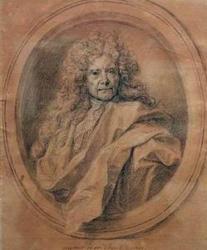
Carl Spitzweg
 Germany
- Carl Spitzweg: A Master of Biedermeier Painting
- Artistic Emergence
- The Biedermeier Genre
- Legacy and Influence
- Later Years and Death
Carl Spitzweg: A Master of Biedermeier Painting
Early Life and TrainingCarl Spitzweg was born in Munich on February 5, 1808, to a merchant family. Initially, he pursued a pharmaceutical career, becoming an apprentice in 1825 and an assistant apothecary in 1828. Concurrently, he studied at the University of Munich from 1828 to 1832.
Artistic Emergence
Despite his formal training in pharmacy, Spitzweg harbored a passion for art. He became a self-taught painter, copying works by Old Dutch masters and embarking on extensive travels throughout Germany, Italy, France, and other European nations. He primarily resided in Munich and Berlin during his artistic career.
The Biedermeier Genre
Spitzweg's paintings exemplified the Biedermeier style, characterized by its warm humor and depictions of ordinary life in urban settings. His genre scenes, often small in size, were imbued with vibrant colors. Notable examples include "Poor Poet" (1839), "Love Letter" (1839), "Cactus Lover" (1845), "Widower" (1840s), "Picnic" (c. 1860), and "Girls on a Hill" (1873).
Legacy and Influence
Spitzweg's meticulous observations of daily life and his extensive plein-air studies enriched his paintings. His works anticipated elements of Impressionism, particularly in their vibrant brushwork and attention to natural light. However, the elaborate narratives and poetic undertones in his paintings retained a distinctly Romantic character.
Later Years and Death
Spitzweg continued to paint until his passing in Munich on September 23, 1885. His legacy as a master of Biedermeier painting remains firmly established, and his works continue to be admired for their witty observations and timeless charm.