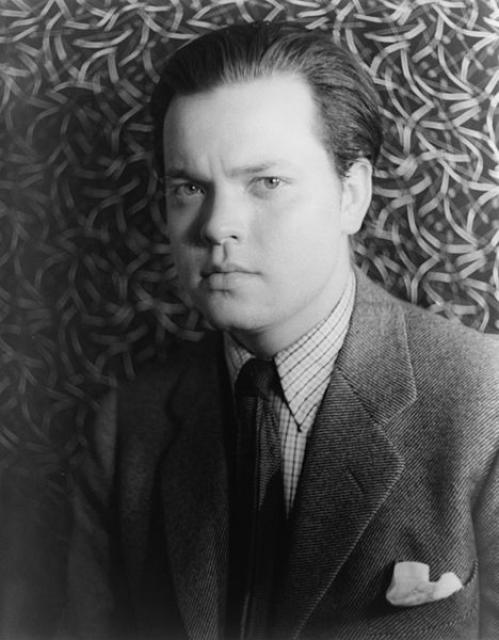
Carl Vechten
 USA
Carl Van Vechten moved easily between literary criticism, fiction, photography, and the social worlds of artists. An early promoter of the Harlem Renaissance, he helped draw wider attention to Black writers, musicians, and performers, then spent decades photographing them alongside some of the best-known cultural figures of his age. His legacy is influential and debated: the same curiosity that brought him into Harlem’s artistic life also produced a novel whose title and depictions remain deeply controversial.
A Critic in Search of the New
Van Vechten was born in Cedar Rapids, Iowa, on June 17, 1880. After graduating from the University of Chicago in 1903, he began as a newspaper reporter and photographer. He moved to New York in 1906 and soon became an assistant music critic at The New York Times. His writing championed adventurous music and theater, and he later served as the paper’s Paris correspondent.
He was also among the United States’ first serious dance critics, writing about emerging forms and performers at a time when dance received relatively little critical attention. His interests expanded into fiction, and his first novel, Peter Whiffle, appeared in 1922. Across novels and essays, he cultivated a lively, sometimes flamboyant style and built a large network among writers, composers, actors, and visual artists.
Harlem and a Contested Novel
Van Vechten became a prominent white supporter of Black artists during the Harlem Renaissance. He brought friends uptown to Harlem, advocated for writers such as Langston Hughes and Nella Larsen, and helped make the neighborhood’s literary and musical life visible to broader audiences. His enthusiasm and personal connections offered real support, even as his position as an affluent white observer shaped how he represented Black culture.
His 1926 novel, Nigger Heaven, made that tension impossible to ignore. The title used a deeply offensive phrase associated with segregated theater seating, and its provocative subject matter helped make the book a bestseller. Van Vechten said he meant to depict Harlem as a complex community, but many readers and Black intellectuals criticized the title and the novel’s treatment of Black life as sensationalized. The book’s reception remains part of the debate over his role: was he widening access to Harlem’s culture, exploiting its appeal, or doing some of both?
Portraits in a New Medium
In 1932, Van Vechten acquired a Leica camera and turned seriously to photography. His portraits captured writers, singers, dancers, actors, activists, and artists in crisp, often direct compositions. By 1939 he had made it a personal mission to photograph every notable African American working in the arts. His sitters included Billie Holiday, Langston Hughes, Bessie Smith, Paul Robeson, and many others, creating a remarkable visual record of twentieth-century American culture.
Van Vechten’s photographs extended the connections he had built as a critic and patron. He also supported libraries and collections devoted to African American arts and letters, and he served as Gertrude Stein’s literary executor. After years of publishing novels and criticism, he devoted much of his later life to his camera and to preserving the work of the artists he admired.
Van Vechten died in New York on December 21, 1964, aged 84. His photographs are now held in major library and museum collections, where they remain an essential visual archive of the Harlem Renaissance and its legacy. His reputation still invites scrutiny, but his images and advocacy helped preserve the work and faces of artists whose influence reshaped American culture.


