Carlos Chagas
 Brazil
- Biography of Carlos Chagas
- Early Career
- Discovering Chagas Disease
- Contributions to Medicine
- Recognition and Legacy
Biography of Carlos Chagas
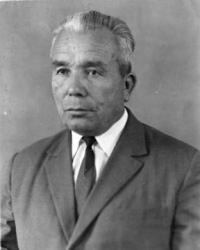
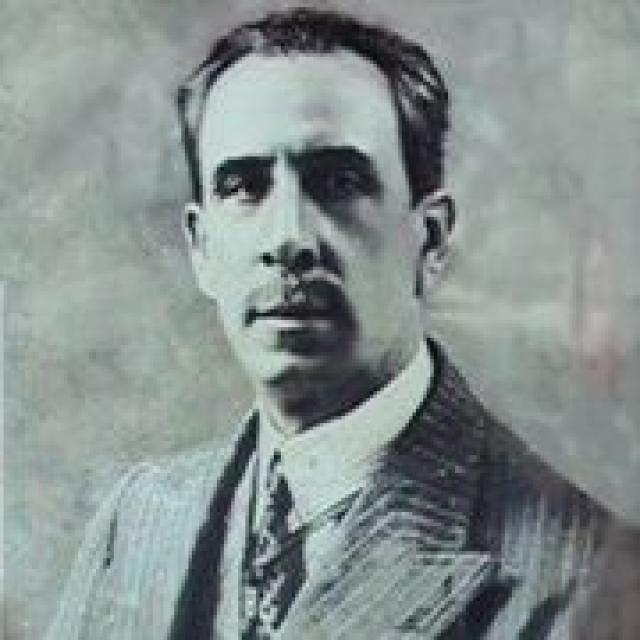
Carlos Chagas was a Brazilian physician who became renowned for his groundbreaking discoveries in the field of medicine. He was born on July 9, 1879, in Oliveira, Minas Gerais, Brazil. Chagas graduated from the Medical Institute of Rio de Janeiro in 1902, specializing in the study of malaria.
Early Career
After completing his education, Chagas joined the port administration of the city of Santos to combat malaria among port workers. He achieved significant success in this endeavor by focusing on disease prevention, particularly by targeting the insects that transmitted the disease. Chagas proposed a program for spraying insecticides in the areas where the workers lived, which gained widespread adoption throughout Brazil.
Discovering Chagas Disease
In 1906, Chagas began working at the Oswaldo Cruz Institute, established by another renowned Brazilian physician, Oswaldo Cruz. The institute assigned him to combat malaria in the San Francisco River region, where Chagas spent two years. It was here that Chagas noticed the blood-sucking insect Triatoma from the Reduviidae family and, in 1909, discovered that this bug carried a previously unknown parasite of the genus Trypanosoma. He named it Trypanosoma cruzi in honor of Oswaldo Cruz. Chagas further revealed that the bug transmitted the parasite to humans through its bite.
Contributions to Medicine
By examining monkeys infected with Trypanosoma and the symptoms displayed by the local population, Chagas fully described the newly discovered infection, including the parasite, its vector, the mode of transmission, clinical manifestations, and epidemiology. This comprehensive analysis was a unique achievement in the history of medicine. Additionally, Chagas also described a new fungus found in the lungs of infected individuals, initially mistaking it for a distinct form of the parasite's life cycle. This fungus, later named Pneumocystis, became the first investigated representative of its genus and gained significant attention in connection with pneumocystis pneumonia.
Recognition and Legacy
Carlos Chagas's discoveries received widespread recognition, leading to his election to the Brazilian National Academy of Medicine. He was twice nominated for the Nobel Prize in Medicine. From 1917 to 1934, Chagas served as the director of the Oswaldo Cruz Institute. In honor of his contributions, a municipality in the state of Minas Gerais was named after him. His son, Carlos Chagas Filho, also became a prominent physician, following in his father's footsteps.