Carolee Schneemann
 USA
Carolee Schneemann (1939–2019) was an American artist whose work pushed painting into performance, film, installation and writing. Across six decades, she made the body an active site of artistic expression and challenged conventions that had treated women as objects to be represented rather than authors of their own images.
Early life and education
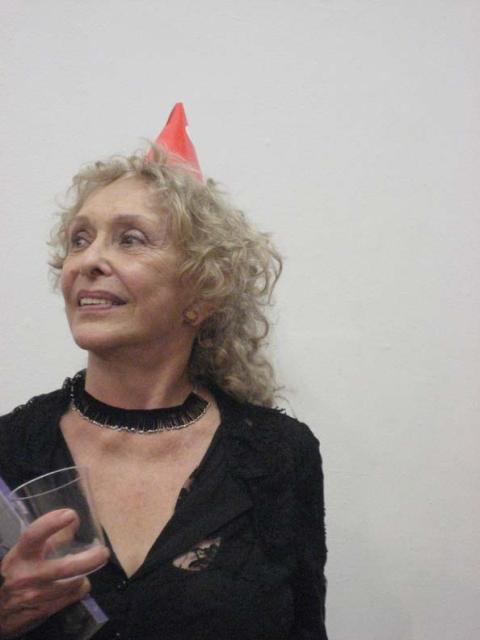
Born on October 12, 1939, in Fox Chase, a neighborhood of Philadelphia, Schneemann grew up in Pennsylvania. She studied at Bard College, earning a bachelor’s degree in poetry and philosophy, and went on to receive an MFA from the University of Illinois. Her training as a painter remained central even as she moved into other forms. In New York, she developed connections with artists, dancers and experimental musicians, including composer James Tenney, with whom she collaborated and shared her life for many years.
From painting to performance
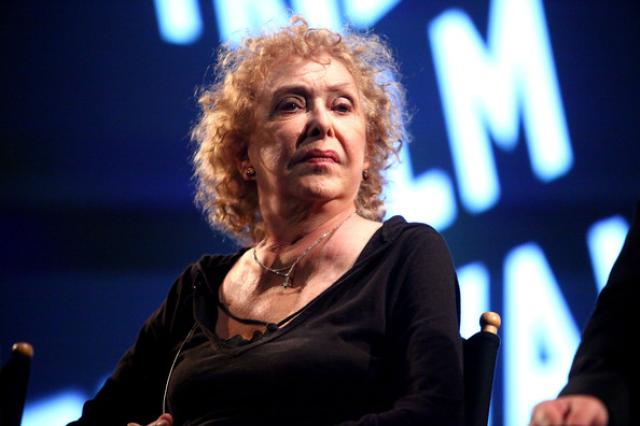
In the early 1960s, Schneemann began treating the canvas as something that could extend into space and time. *Eye Body: 36 Transformative Actions* (1963) placed her own body within a constructed environment of paint, materials and imagery. With works such as *Meat Joy* (1964), a performance involving a group of performers and vivid physical movement, she embraced sensation and spontaneity while confronting restrictive attitudes toward sexuality and the female body.
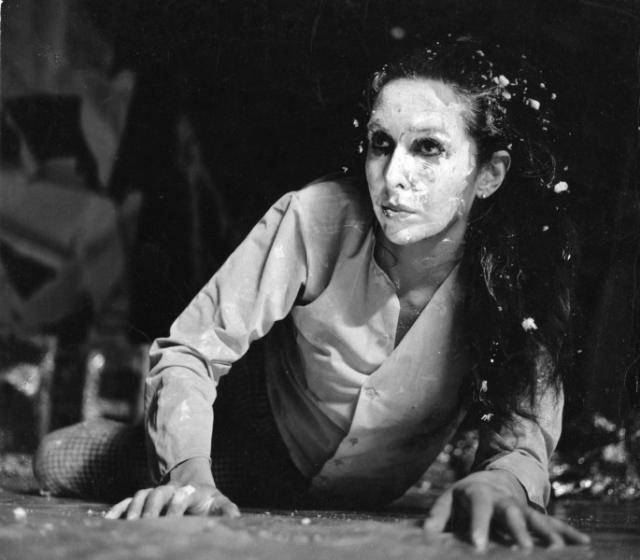
Her film *Fuses* (1964–67), made with Tenney, brought a similarly personal perspective to experimental cinema. Rather than framing the body as a distant spectacle, Schneemann used fragmented images, color and layered editing to explore intimacy and perception. In *Up to and Including Her Limits* (1973–76), she suspended herself in a harness and made marks across a large surface as her body moved through space, connecting the physical act of drawing to the work’s entire environment.
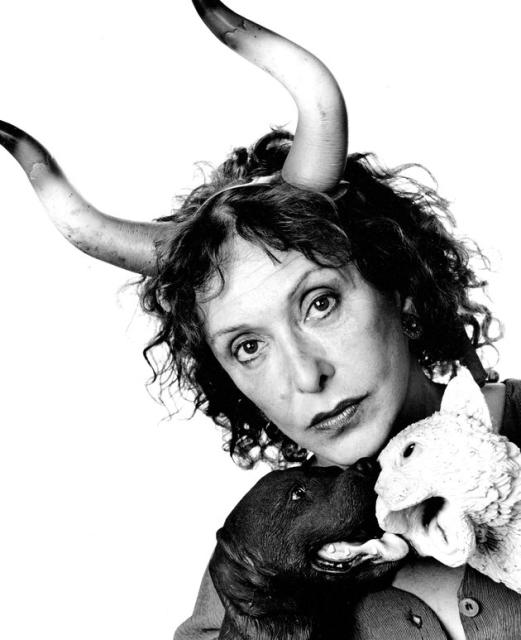
Feminist art and writing
One of her best-known works, *Interior Scroll* (1975), turned a live performance into a direct challenge to the exclusion of women’s voices from art and literary culture. Schneemann stood before an audience, drew a narrow scroll from her body and read from it. The work’s confrontational form made questions of authorship, gender and authority impossible to keep at a distance.
She also wrote extensively about her practice and the art world around her. Her films, performances and texts contributed to feminist debates about representation, embodiment and who gets to define artistic value. Schneemann resisted being confined to a single medium or label; painting, for her, continued through movement, film and performance.
Recognition and legacy
Schneemann’s work entered major museum collections and was the subject of retrospectives, including *Carolee Schneemann: Kinetic Painting*, presented at MoMA PS1 in 2017–18. In 2017 the Venice Biennale awarded her its Golden Lion for Lifetime Achievement. She died in New Paltz, New York, on March 6, 2019.
Her influence is visible in the many artists who have used performance and the body to question social conventions and art history. Schneemann’s work helped make those questions part of contemporary art’s central conversation, while insisting that physical experience could be a source of knowledge, form and authorship.