Carrie Chapman Catt
 USA
USA- Early Life and Education
- Career as an Educator
- Introduction to Women's Suffrage
- Leadership of NAWSA
- League of Women Voters
- International Suffrage Movement
- Anti-War Activism
- Response to the Holocaust
- Legacy and Recognition
Early Life and Education
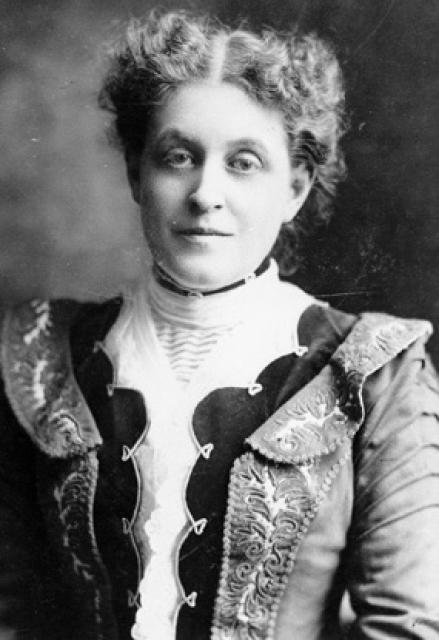
Carrie Chapman Catt, born Carrie Clinton Lane on January 9, 1859, grew up in Charles City, Iowa. She attended Iowa State College (now Iowa State University) and graduated in three years as valedictorian and the only female in her class.

Career as an Educator
After graduating, Catt became a teacher and later a school superintendent in Mason City, Iowa, in 1885. The same year, she married newspaper editor Leo Chapman, but he passed away shortly after.
Introduction to Women's Suffrage
Catt became involved in women's movements in the late 1880s and joined the Women's Christian Temperance Union. She became a close friend and colleague of Susan B. Anthony, who selected Catt as her successor as head of the National American Woman Suffrage Association (NAWSA).
Leadership of NAWSA
Catt served as president of NAWSA twice: from 1900 to 1904 and from 1915 to 1920. Her second term coincided with the culmination of the suffrage movement in the United States, leading to the passage of the Nineteenth Amendment in 1920.
League of Women Voters
After the passage of the Nineteenth Amendment, Catt founded the League of Women Voters in 1920 as the successor to NAWSA. She also ran as the vice presidential nominee of the Commonwealth Land Party in the 1920 presidential election.
International Suffrage Movement
Catt was a leader in the international suffrage movement as well. She helped establish the International Woman Suffrage Alliance (IWSA) in 1902 and served as its president from 1904 to 1923. This organization continues to operate today as the International Alliance of Women.
Anti-War Activism
In the 1920s and 1930s, Catt became active in anti-war movements. She lived in Juniper Ledge in Briarcliff Manor, New York, from 1919 to 1928, which was later listed on the National Register of Historic Places. In 1928, she moved to New Rochelle, New York.
Response to the Holocaust
In 1933, in response to Adolf Hitler's persecution of Jews in Germany, Catt organized the Protest Committee of Non-Jewish Women Against the Persecution of Jews in Germany. This group collected 9,000 signatures of non-Jewish American women and sent a protest to Hitler condemning the violence and restrictive laws against German Jews.
Legacy and Recognition
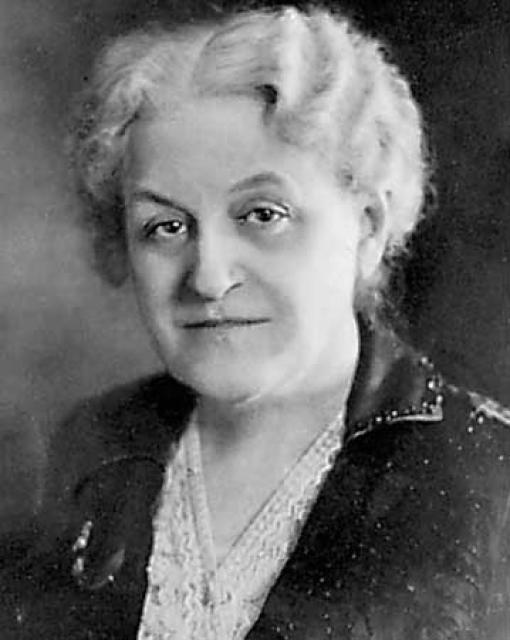
Carrie Chapman Catt was widely recognized as one of the most influential leaders of the women's movement. She received the American Hebrew Medal in 1933 for her efforts. Catt authored the pamphlet "Do You Know?" to educate the public on the goals of the suffrage movement.
Catt passed away on March 9, 1947, in New Rochelle and is buried in Woodlawn Cemetery in the Bronx.