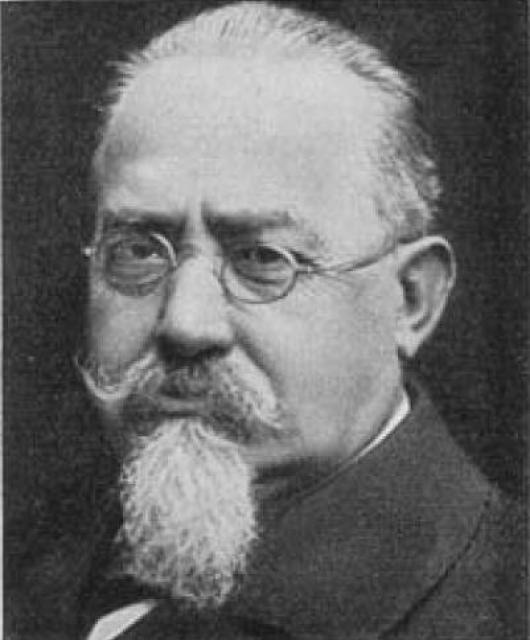
Chezare Lombroso
 Italy
Italy- Cesare Lombroso: Pioneer in Criminal Anthropology
- Fundamental Beliefs
- Study of Crime and Criminals
- Aggressive and Controversial Approach
- Legacy and Impact
Cesare Lombroso: Pioneer in Criminal Anthropology
Early Life and CareerCesare Lombroso, an Italian psychiatrist and criminologist, was born in 1836 in Venice. Despite facing financial challenges and political persecution, Lombroso's passion for medicine led him to pioneering research in psychiatry and criminal anthropology. His influential works laid the foundation for a materialist approach to understanding crime and criminality.
Fundamental Beliefs
The cornerstone of Lombroso's theory was that criminals were inherently distinct from non-criminals. He believed that biological and psychological factors, including physical abnormalities, mental deviations, and a lack of moral development, contributed to criminal behavior. This perspective challenged the prevailing classical view that crime was solely a matter of free will and rational choice.
Study of Crime and Criminals
Lombroso pioneered the use of an anthropometric method to study criminals. He meticulously examined their physical characteristics, such as skull shape, facial features, and body measurements, and correlated these traits with criminal behavior. His research aimed to identify "born criminals" who were predestined to commit crimes due to their unique biological makeup.
Aggressive and Controversial Approach
Lombroso's aggressive approach to criminal justice advocated for the use of preventive measures, including the isolation and rehabilitation of suspected criminals. He argued that criminals should not be held fully responsible for their actions due to their inherent biological predispositions. His theories sparked heated debates and polarized opinions in the legal and scientific communities.
Legacy and Impact
Despite facing criticism and scientific challenges, Lombroso's work played a pivotal role in the development of criminal anthropology. His insistence on considering the biological and psychological characteristics of criminals forced a rethinking of the nature of crime and the role of society in preventing and responding to it. His ideas influenced the emergence of modern criminology and the criminal justice system.




