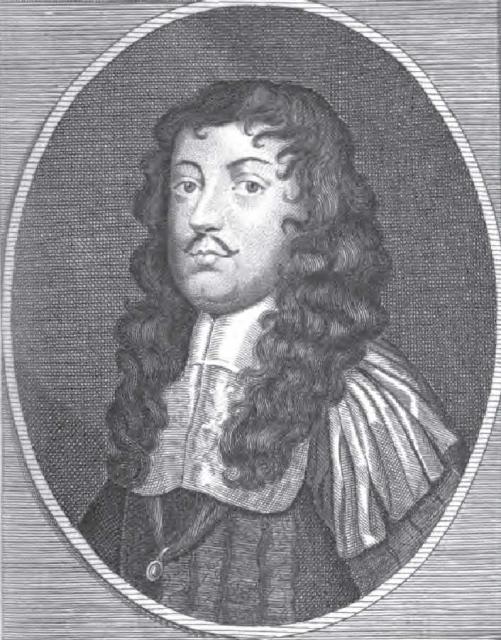
Christopher Myngs
 Great Britain
- Early Life and Exploits
- Expedition to Jamaica
- Command and Success
- Silver Fleet Pursuit
- Controversy and Return to England
- Expedition to Santiago de Cuba
- Conquest of Santiago de Cuba
- Plunder and Destruction
- Expedition to Campeche
- Conquest of Campeche
- Later Career and Legacy
Early Life and Exploits
In 1625, Christopher Myngs was born to humble beginnings in a family of a shoemaker father and a ferryman's daughter. Despite his modest origins, Myngs harbored a passion for the sea and embarked on a maritime career. His early exploits earned him recognition during the English Revolution. At the tender age of 27, he seized command of the "Elizabeth" and captured two Dutch warships.
Expedition to Jamaica
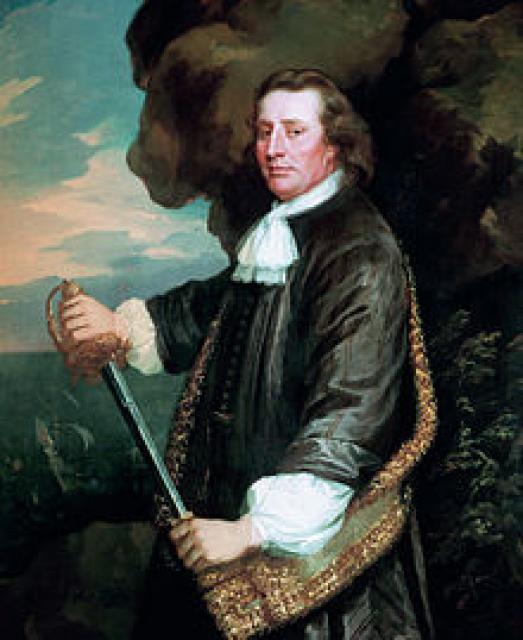
When the renowned Admiral William Penn departed Jamaica after conquering it, he left Vice-Admiral William Goodson in his stead and requested assistance from Christopher Myngs. Upon arriving in Jamaica, Myngs participated in Goodson's expedition to Hispaniola in search of the Silver Fleet. However, the Spanish galleons eluded them, prompting the English squadron to continue its journey to South America. They disembarked at Rio de la Hacha, burning the settlement down.
Command and Success
Following their encounter with the Spaniards near Ocho Rios, Goodson returned to England for health reasons, leaving Myngs in command. However, Myngs himself sailed for England shortly after and returned with reinforcements aboard a refurbished frigate. Resuming his actions in the West Indies, Myngs displayed a successful strategy. In 1658, he captured six Dutch vessels on Barbados and transported them to Jamaica. Subsequently, he drove the Spaniards off the Jamaican coast and seized their abandoned artillery.
Silver Fleet Pursuit
Informed of the Silver Fleet's presence at Puerto Bello, Governor Doyley dispatched Myngs on a hunt. Recognizing the disparity in forces, Myngs diverted his hunt to a more suitable target. They ransacked the towns of Cumana, Puerto Cabello, and Coro, amassing a substantial booty that included royal treasure chests, gemstones, and a cargo of cocoa.
Controversy and Return to England
Despite a triumphant reception, Governor Doyley accused Myngs of misappropriating the spoils by dividing them according to pirate customs. Myngs was relieved of his command for suspected misconduct and disobedience. Returning to England, Myngs retaliated by accusing Governor Doyley and other officials of embezzlement. Amidst the Restoration of the Monarchy, Myngs was cleared of all charges and restored to his position as an admiral in the royal navy.
Expedition to Santiago de Cuba
Myngs was tasked with transporting the new governor to Jamaica, for which the 46-gun frigate "Centurion" was allocated. Following instructions from London, the Jamaican Council aimed to pressure the Spaniards into establishing trade relations in the Caribbean.
Conquest of Santiago de Cuba
Eleven ships were assembled in Jamaica, carrying approximately 1,300 men for the expedition against Santiago de Cuba. Myngs was authorized to seize Spanish vessels and assault any settlements. Offensive plans dictated a frontal attack, but a change in wind direction prevented the fleet from landing near the city. Myngs ordered a retreat to the windward side. Throughout the night, troops disembarked and marched toward the city.
Plunder and Destruction
Despite Spanish defenses, the pirates infiltrated the city and effortlessly seized the fort, which the defenders had abandoned. The looting lasted for two weeks, but the pirates failed to locate the city's treasure, which had been removed by the residents upon hearing of the impending attack. Myngs ordered the city's fortifications to be demolished using 700 barrels of gunpowder captured from the enemy.
Expedition to Campeche
Lord Windsor's satisfaction with the Santiago de Cuba expedition prompted the Jamaican Council to organize another expedition against San Francisco de Campeche. With approximately 1,500 soldiers and pirates and 12 ships, the expedition included renowned buccaneers such as Edward Mansfeldt, David Marteen, and Robert Searle.
Conquest of Campeche
Adopting a similar frontal attack strategy, the pirates captured Campeche in a single day of fighting due to its limited defenses. They destroyed the city's fortifications, burned portions of it, and seized fourteen vessels anchored in the bay. Myngs suffered severe injuries to his thigh and face, forcing him to transfer command to Mansfeldt. The Spaniards agreed to an honorable surrender the next morning. The spoils from Campeche were valued at around 150,000 pesos.
Later Career and Legacy
Although Myngs' raids were officially condemned by English authorities, he faced no legal consequences. Instead, he was appointed Vice-Admiral of the White Squadron under Prince Rupert due to escalating tensions with the Dutch. He participated in the Battle of Lowestoft in 1665, earning a knighthood from the King. Myngs then became Vice-Admiral of the Blue Squadron under the Earl of Sandwich. During the Four Days Battle, he commanded the flagship "Victory" and sustained a fatal wound to his throat. Despite his injuries, Myngs refused to leave his ship, commanding it with his hand over the wound until he succumbed to a second bullet. His passing was deeply mourned by many of his fellow seamen.




