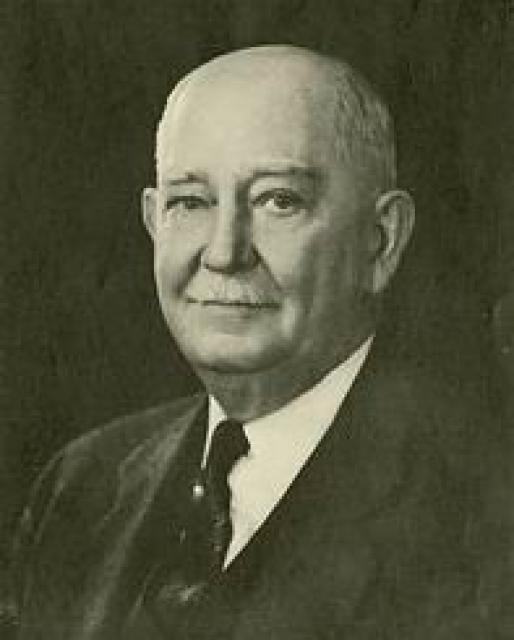
Clarence McClung
 USA
USA- Clarence Erwin McClung: Pioneer in Cytogenetics
- Academic Career
- Retirement and Legacy
- Scientific Contributions
- Editorial Acumen
- Honors and Recognition
Clarence Erwin McClung: Pioneer in Cytogenetics
Clarence Erwin McClung, an esteemed American zoologist and cytogeneticist, left an indelible mark on the field of genetics. Born in Clayton on April 5, 1870, his academic journey began with a degree from the University of Kansas in 1892.
Academic Career
After graduating, McClung embarked on a successful academic career. He returned to his alma mater in 1901 as a researcher and was appointed professor in 1906, a position he held until 1912. That year, he joined the faculty of the University of Pennsylvania, where he held a professorship until his retirement in 1940.
Retirement and Legacy
Despite his retirement, McClung remained an esteemed figure in academia. He was awarded the title of Emeritus Professor and continued his scientific pursuits from his home. His unwavering dedication continued until his passing on January 17, 1946, in Swarthmore. He was laid to rest in Woods Hole Village Cemetery.
Scientific Contributions
McClung's primary scientific focus was the study of chromosomal mechanisms that determine sex in animals. His groundbreaking research on grasshoppers established the crucial role of the X-chromosome in sex determination. McClung's insights revolutionized the understanding of sex chromosomes and their fundamental importance in reproductive biology.
Editorial Acumen
Beyond his scientific collaborations, McClung played a significant role as the editor of several prestigious international journals dedicated to zoology, morphology, and cytology. His editorial guidance helped shape and disseminate cutting-edge research in these fields.
Honors and Recognition
McClung's contributions were widely recognized by the scientific community. He was elected a member of the Episcopal Church of the Messiah in his later years, a testament to his commitment to both science and spirituality.


