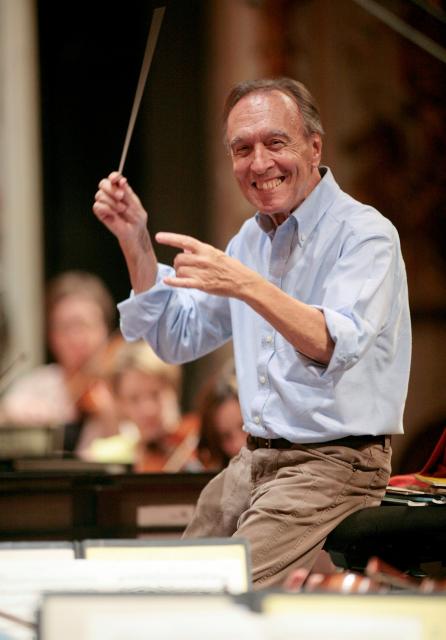
Claudio Abbado
 Italy
Italy- Claudio Abbado: A Maestro's Legacy
- Early Career and Recognition
- Artistic Director of La Scala
- Vienna and Berlin
- Later Years and Legacy
Claudio Abbado: A Maestro's Legacy
Early Life and EducationClaudio Abbado was born in Milan, Italy, into a musical family. His father, Michelangelo Abbado, was a violinist and composer, and he provided Claudio with his first musical education. Claudio studied piano, composition, and conducting at the Milan Conservatory, before moving to the Vienna Academy of Music in 1955 to study under Hans Swarowsky. He also attended the Chigiana Academy in Siena.
Early Career and Recognition
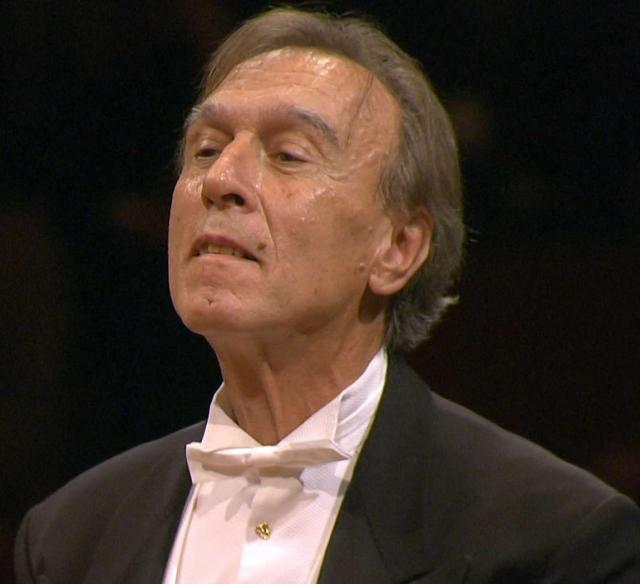
In 1958, Abbado won the Sergei Koussevitzky Conducting Competition at the Tanglewood Music Festival. This recognition led to opportunities to conduct opera productions in Italy. In 1963, he won the Dimitri Mitropoulos Prize, allowing him to work with the New York Philharmonic for five months.
Artistic Director of La Scala
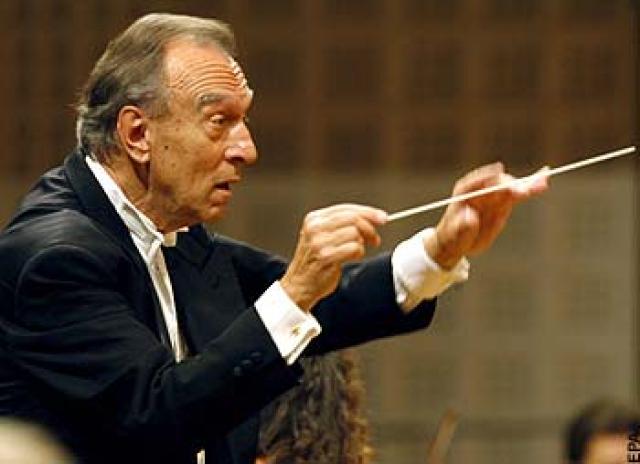
Abbado made his debut at La Scala in Milan in 1960, and from 1968 to 1986, he served as its Artistic Director. He expanded the repertoire to include contemporary works, including series on Alban Berg and Modest Mussorgsky. He also made opera more accessible to a wider audience, including the working class.

Vienna and Berlin
Abbado made his debut with the Vienna Philharmonic at the Salzburg Festival in 1965. He later became the Music Director of the festival in 1971. From 1986 to 1991, he was Artistic Director and Chief Conductor of the Vienna State Opera, where he staged lesser-known works by Mussorgsky, Franz Schubert, and Gioacchino Rossini.

In 1989, Abbado succeeded Herbert von Karajan as Chief Conductor of the Berlin Philharmonic. He held the position until 2002, when he was diagnosed with stomach cancer. Despite undergoing extensive surgery, he recovered and continued to conduct.
Later Years and Legacy
In 2003, Abbado founded the Lucerne Festival Orchestra. He also returned to conducting with other ensembles despite his health concerns. In 2007, he temporarily retired for health reasons but returned to the podium two months later.
Claudio Abbado died on January 20, 2014, in Bologna, after a long illness. He is remembered as one of the greatest conductors of all time, leaving behind a legacy of musical excellence, innovation, and accessibility.




