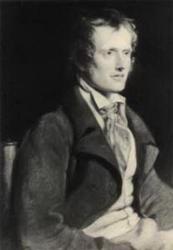
Claudio Manuel da Costa
 Brazil
- Cláudio Manuel da Costa: Brazilian Patriot and Poet
- Early Life and Education
- Return to Brazil and Legal Career
- Literary Pursuits and the "Ultramarine Arcadia"
- Involvement in the Independence Movement
- Poetic Legacy
- "Vila Rica" and Other Works
Cláudio Manuel da Costa: Brazilian Patriot and Poet
Cláudio Manuel da Costa was a renowned Brazilian poet and patriot who played a significant role in the literary and political landscape of his time.
Early Life and Education
Born in Vila do Ribeirão do Carmo (now Mariana) in 1729, into a Portuguese family, Costa embarked on a journey to Lisbon in 1749. There, he pursued legal studies at the University of Coimbra, graduating in 1754.
Return to Brazil and Legal Career
Upon his return to Brazil, Costa established himself as a lawyer and judge. His legal expertise and reputation earned him prominence in the local community.
Literary Pursuits and the "Ultramarine Arcadia"
In 1768, Costa founded the literary society "Ultramarine Arcadia," which fostered intellectual and artistic exchange among Brazilian intellectuals. He became close friends with the poet Tomás Antônio Gonzaga.
Involvement in the Independence Movement
Costa's literary and political activities eventually led him to be arrested in 1789 for his involvement in the Inconfidência Mineira, a conspiracy to seek independence for Brazil. He spent the remaining years of his life imprisoned and is believed to have committed suicide by hanging or been poisoned in 1799.
Poetic Legacy
Despite his tragic end, Costa left an enduring poetic legacy. His pastorals and eclogues celebrated the natural beauty of his homeland, advocating for simplicity and a deep connection to nature. He combined classical forms with Romantic sensibilities, injecting his poetry with patriotism and a love of freedom.
"Vila Rica" and Other Works
Costa's most famous work, the epic poem "Vila Rica" (1773), extolled the grandeur and beauty of his hometown. It was published in Ouro Preto in 1841 and remains a testament to his literary genius. In addition, he penned numerous sonnets, cantatas, and songs, many of which have become classics of Brazilian literature.