
Concepcion Picciotto
 USA
USA- Concepción Picciotto: A Lifetime Devoted to Peace Activism
- The Enduring Protest
- Driven by a Mother's Love
- Significant Achievements
- A Relentless Spirit
- A Journey of Personal Turmoil
- A Life Dedicated to Protest
- Believing in Persecution
- A Legacy of Commitment
- Support in Later Years
- A Final Tribute
Concepción Picciotto: A Lifetime Devoted to Peace Activism
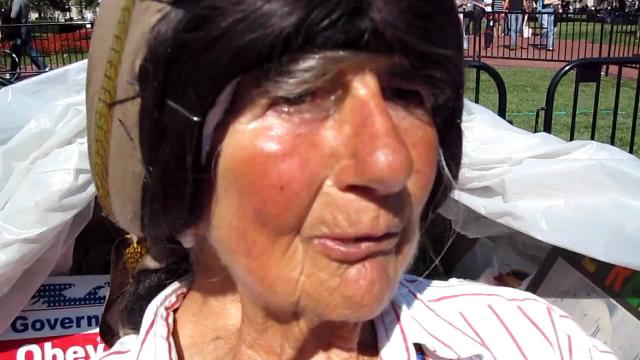
A Protestor of RecordConcepción "Connie" Picciotto, known for her remarkable 30-year protest outside the White House, has sadly passed away. At approximately 80 years old, the dedicated advocate succumbed to declining physical and mental health while residing in a housing facility run by a non-profit organization that supports homeless women in Washington, D.C.
The Enduring Protest
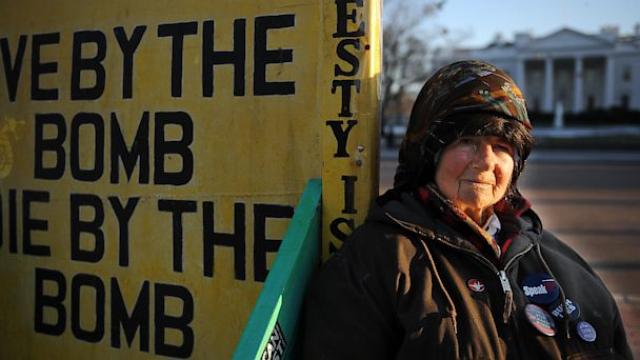
Picciotto established her "Protest Tent" in 1981, a permanent fixture in the park adjacent to the White House. Her unwavering activism spanned numerous issues, including the Persian Gulf War, nuclear warfare, chemical weapons, and various other pressing concerns facing the United States. For decades, she remained a prominent sentinel within the growing anti-nuclear community along Pennsylvania Avenue.
Driven by a Mother's Love
Picciotto's activism was fueled by her maternal instincts. Horrified by photographs of the aftermath of the Hiroshima and Nagasaki bombings, she became determined to protect children worldwide from the threat of nuclear devastation.
Significant Achievements
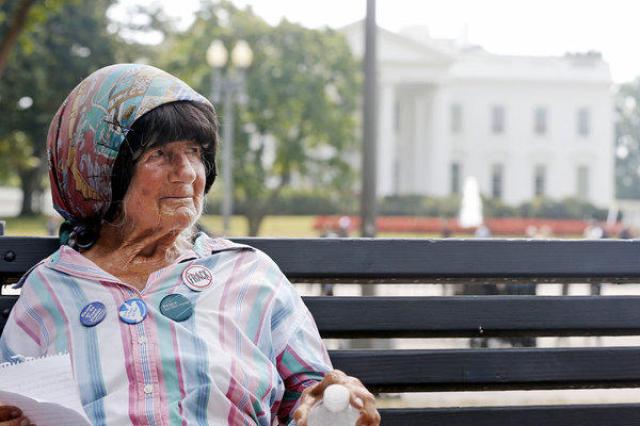
In 1993, Picciotto and fellow activists made significant strides in their campaign for nuclear disarmament. They circulated a petition, which ultimately led to a ballot initiative passed by the District of Columbia's Board of Elections. Their efforts also drew the attention of U.S. Congresswoman Eleanor Holmes Norton, who addressed the issue of nuclear disarmament.

A Relentless Spirit
Picciotto's round-the-clock vigil at the White House began after she met fellow protester William Thomas, who had established the "Protest Tent" months prior. The two joined forces, continuing their activism until Thomas's passing in 2009. Other protestors assisted in organizing Picciotto's schedule, ensuring she could rest during the night.

A Journey of Personal Turmoil
Born in Spain, Picciotto immigrated to the United States as an adult, working in New York City. She married an Italian man in 1966, and the couple adopted a daughter named Olga, raising her in Brooklyn until the marriage dissolved. Picciotto claimed that her ex-husband arranged for an illegal adoption, attempted to have her institutionalized, and separated her from Olga. She stated that she last saw her daughter as a preschooler.
A Life Dedicated to Protest
After moving to Washington, D.C. in 1979, Picciotto lived with her companion, William Thomas, primarily on the streets, relying on donations, food, and clothing. Protesting consumed her time and resources. Occasionally, the couple took shelter in the park or showered at the homes of friends. In 1999, Thomas inherited approximately $90,000 from his deceased mother, which they used to purchase a dilapidated house, named Peace House. Picciotto spent many years laboring over an autobiography on an old laptop, which was eventually stolen by a guest at Peace House.
Believing in Persecution
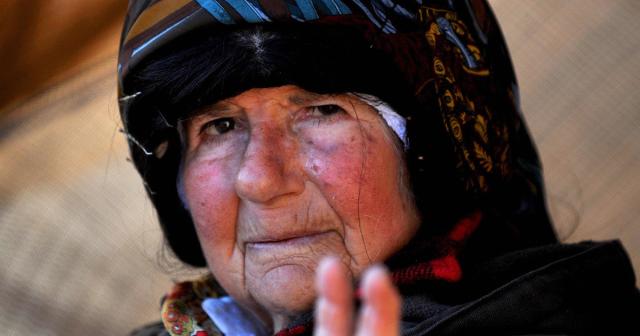
In an interview with The Washington Post, Picciotto expressed her conviction that the government was persecuting her. She claimed to wear a protective helmet at all times due to her belief that the government was beaming electromagnetic waves into her head.
A Legacy of Commitment
In 2013, Picciotto declared that she had dedicated her life to protesting outside the White House to prevent the world from being destroyed. Fellow protestor Ellen Thomas acknowledged Picciotto's mental health challenges but commended her dedication and resilience.
Support in Later Years
After being hit by a taxi while riding her bicycle in 2012, Picciotto increasingly relied on assistance from younger activists. They organized shifts to maintain her vigil for several months, but the Protest Tent was eventually seized by police after it was abandoned overnight. When Eleanor Norton's office learned of this, they contacted park police, who allowed Picciotto to resume her activism.
A Final Tribute
In a statement following Picciotto's passing, the residents of Peace House expressed their gratitude to William Thomas for initiating the round-the-clock protests and creating a community dedicated to peace. They acknowledged Picciotto's complex personality but emphasized the shared understanding of their mission, despite occasional conflicts. They concluded by expressing the hope that Picciotto had found peace in her final resting place.


