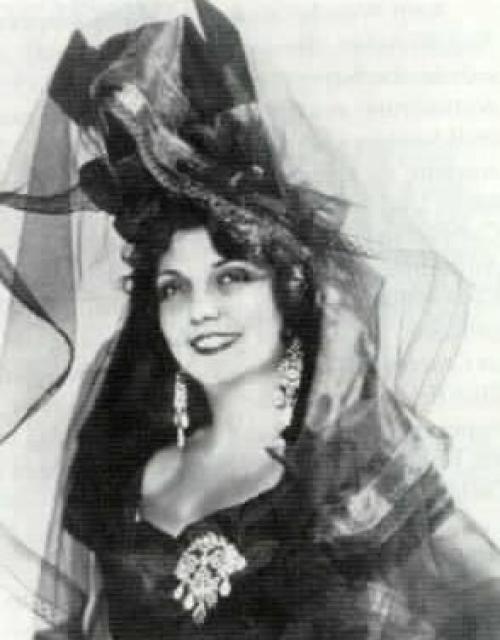
Conchita Supervia
 Spain
SpainBiography of Conchita Supervia
Conchita Supervia was a popular Spanish singer and mezzo-soprano who actively performed in opera houses in Europe and America, both in famous operas of the time and in solo concerts. She was born in Barcelona into an ancient Andalusian family and was baptized Maria de la Concepcion Supervia Pascual. She initially studied at a local monastery, but at the age of 12, she enrolled in the Higher Music Conservatory of the Liceu in Barcelona.
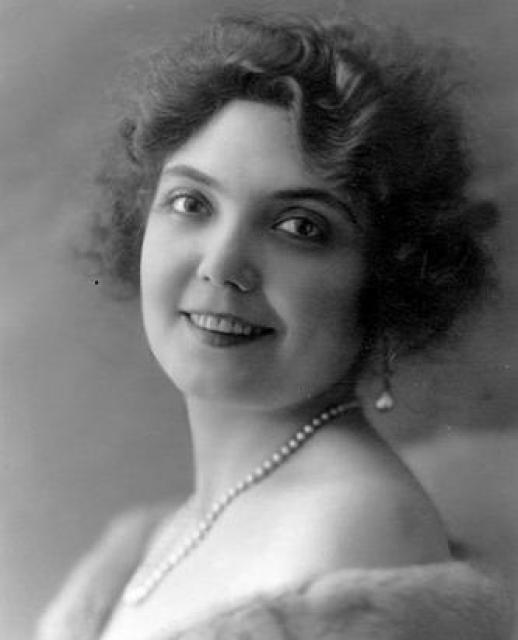
Opera Career
Conchita made her stage debut in 1910 at the Teatro Colon in Buenos Aires when she was only 15 years old. Her debut role was Stiattesi in "Bianca de Beulieu." She later sang in "Los amantes de Teruel" by Tomas Breton and "Cavalleria rusticana" by Pietro Mascagni. In 1911, Supervia performed the role of Octavian in the first Italian-language production of Richard Strauss's "Der Rosenkavalier" at the Teatro Constanzi in Rome. In 1912, she found her breakthrough role as Carmen at the Gran Teatre del Liceu in her hometown.
In America, Supervia made her debut in 1915 as Charlotte in Jules Massenet's "Wertner" at the Chicago Opera. She also delighted audiences with her performances in productions such as "Mignon" and "Carmen." After returning to Europe towards the end of World War I, she was invited to Rome and had her first performances in roles that would capture the hearts of thousands of listeners worldwide. These roles include Angelina in "La Cenerentola," Isabella in "L'italiana in Algeri," and Rosina in "Il barbiere di Siviglia." Supervia played a crucial role in reviving the popularity of Rossini's works.
Unique Voice and Criticisms
Supervia's powerful chest register and her ability to handle the high notes allowed her to effortlessly tackle challenging roles. However, some critics noted that her lower tones, particularly on recordings, resembled the sound of rapid gunshots or dice rolling in a cup. It is important to note that this effect was more noticeable in recordings due to the limitations of microphones at that time.
Later Career and Tragic End
In the 1920s, Supervia performed frequently at La Scala, portraying Hansel in Engelbert Humperdinck's "Hansel und Gretel." Surprisingly, she never performed as Carmen or in any of Rossini's productions at La Scala.
In 1930, Supervia made her debut in London, and a year later, she married London businessman Ben Rubenstein and settled in the English capital. In the fall of 1935, she had to cancel all planned performances due to her pregnancy. On March 29, 1936, she was admitted to a London clinic for preservation, but unfortunately, both Supervia and her newborn daughter passed away during childbirth.


