
Costa-Gavras
 France
- Early Life and Education
- Early Career
- The Success of "Z" and International Recognition
- Political Themes and Acclaim
- "Amen" and the Vatican
- Other Notable Works
- Later Career and Honors
Early Life and Education
Constantinos Gavraswas born in Arcadia, Greece, to a family actively involved in the Greek Resistance during World War II. His father's arrest for political reasons prevented him from pursuing higher education or moving to the United States.
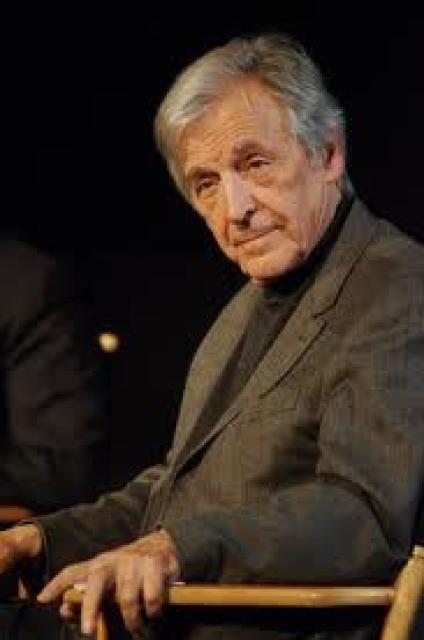
Despite the challenges, Gavras managed to study law in France, but his passion for cinema led him to abandon his legal studies and enroll in the famous French national film school, IDHEC.
Early Career
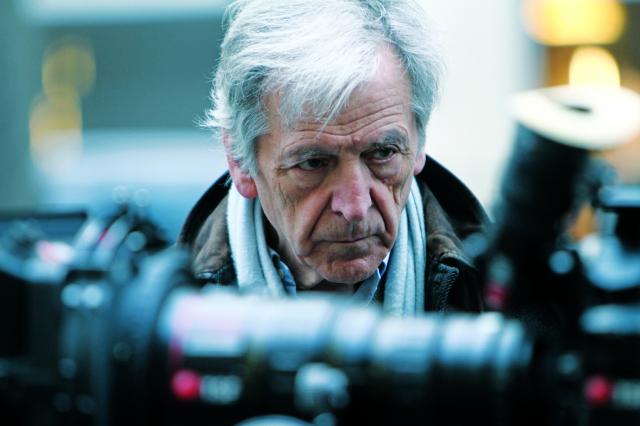
Gavras gained experience working as an assistant director for notable filmmakers such as Yves Allégret, Jean Giono, and René Clair. In 1965, he released his feature film debut, "Compartiment Tueurs," which showcased his distinct style of politically charged cinema.
The Success of "Z" and International Recognition
In 1969, Gavras directed the critically acclaimed detective thriller "Z," a reimagined account of the assassination of Greek politician Grigoris Lambrakis. The film exposed the sinister connection between the government and military, highlighting the lethal consequences of political repression. "Z" won the Academy Award for Best Foreign Language Film and firmly established Gavras as an influential filmmaker.
Political Themes and Acclaim
Gavras became known for exploring serious political issues in his films, particularly the misuse of power, corruption, and the suppression of dissent. His targets often included right-leaning regimes and Latin American dictatorships. While his films became less overtly political over time, his commitment to social justice remained evident.
"Amen" and the Vatican
In 2003, Gavras released "Amen," inspired by a play that alleged Pope Pius XII's knowledge of the Holocaust without intervening. The controversial film sparked debates about the Church's role during that period.
Other Notable Works
Gavras has directed several other acclaimed films, including "The Missing," "Music Box," and "Eden à l'Ouest."
Later Career and Honors
From 1982 to 1987 and again from 2007 to the present, Gavras has served as president of the Cinémathèque Française, the world's largest film archive. He has received numerous awards and honors, including the Golden Lion at the Venice Film Festival and the Academy Honorary Award.


