Costantin Gerachi
 Greece
- The Greek Adventurer: Constantine Phaulkon
- Youthful Travels
- A New Name and a Diplomatic Career
- Diplomatic Ascendancy
- French Alliance and Controversies
- Downfall and Execution
- Legacy
The Greek Adventurer: Constantine Phaulkon
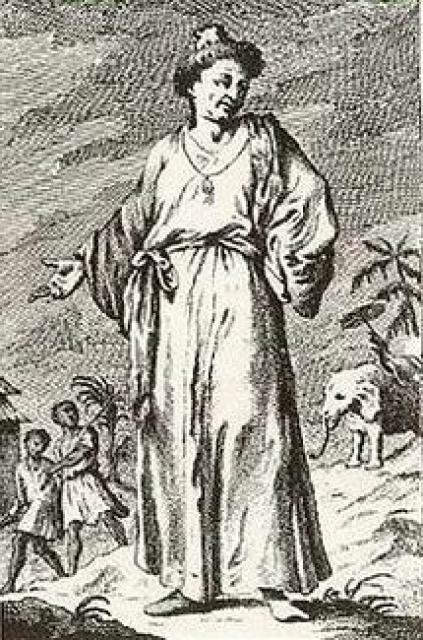
Constantine Phaulkon, born Gerakis in 1647 on the Greek island of Cephalonia, embarked on an extraordinary adventure that led him to become the first chancellor of King Narai of Siam (now Thailand).
Youthful Travels
At the tender age of 13, Gerakis left his aristocratic upbringing for an unknown reason, becoming a sailor on English ships that frequented India. In 1669, he retired from seafaring and joined the British East India Company, working in their warehouses in Bantam, Indonesia.
A New Name and a Diplomatic Career
During his tenure with the company, Gerakis traveled extensively throughout Asia, establishing connections with company directors. Meanwhile, he changed his surname to Phaulkon, the Greek word for "falcon." In 1675, he settled in Siam as a representative of the company, rapidly mastering the Thai language and forging relationships with prominent figures in the royal palace.
Diplomatic Ascendancy
Phaulkon's fluency in Greek, English, French, Portuguese, and Malay, combined with his experience in the East India Company, soon led to his appointment as chancellor or councilor to King Narai. In 1683, he became Prime Minister and converted to Catholicism in 1682 to marry Maria Guyomar de Pinha, a woman of Japanese, Portuguese, and Bengali descent.
French Alliance and Controversies
Phaulkon's influence at the royal court was immense. Amidst conflicts with the English and Dutch, he spearheaded a Franco-Thai alliance in 1684, arranging several embassies between France and Siam. He also orchestrated the dispatch of French expeditionary forces to Siam in 1687. Known as "Monsieur Constance" to the French, he became their leading ally, earning the title of "Knight of the Order of St. Michael and St. Peter" from the King of France.
Downfall and Execution
Phaulkon's closeness to the king also garnered him enemies within the royal entourage. His alliances with the French and their perceived arrogance increasingly drew resistance from the Thai populace. Rumors spread that Phaulkon planned to use the crown prince as a puppet, sparking a palace revolt and revolution in 1688 led by the king's relative, Phraya Phetracha. In the king's absence and without his consent, Phaulkon and the crown prince were executed in Lopburi on June 5, 1688. Enraged but powerless, the ailing King Narai died shortly after. These events precipitated a mass exodus of Europeans from the country.
Legacy
Under Phraya Phetracha's rule (1689-1703), Siam closed itself off from foreign influence. Historians debate Phaulkon's motivations, with some portraying him as an opportunistic foreigner seeking to exploit the kingdom for Western interests. Others believe he was a scapegoat, used by Phetracha to seize the throne from the rightful heir. Phaulkon's former residence in Ayutthaya remains a popular tourist attraction to this day.