Dan Brown
 USA
USABiography of Dan Brown
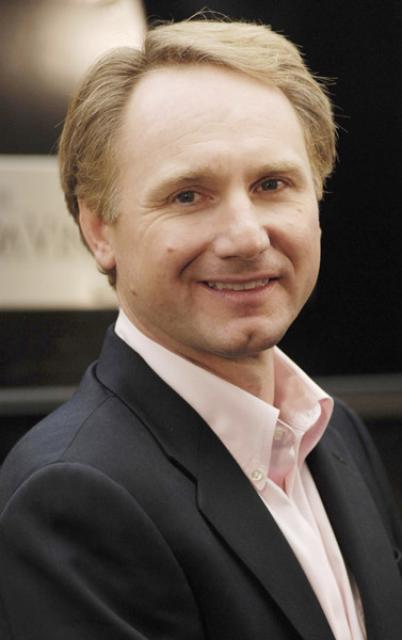
Dan Brown, the author of intellectual detective thrillers, experienced a rapid and powerful success that can only be compared to an explosion. Although his famous book "The Da Vinci Code" was the one that brought him literary fame, it was not his debut novel. Despite the numerous factual errors pointed out by critics, the millions of readers who struggled to put down the bestseller and the church's disapproval, the success of "The Da Vinci Code" acted as a locomotive for Dan Brown's future works, generating interest in his previous books and increasing demand for his subsequent works. Currently, his books are published in 52 languages, with a total circulation exceeding 200 million copies.
Early Life
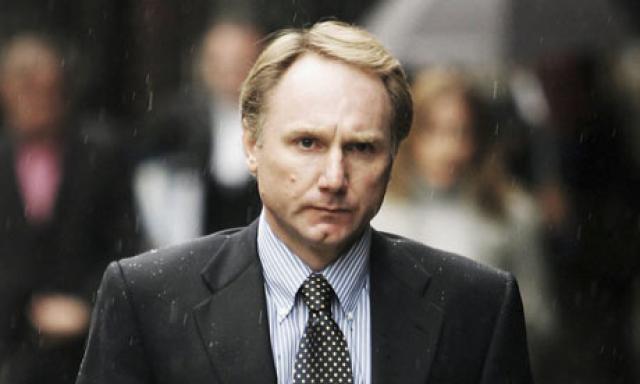
Dan Brown, born in 1964, in Exeter, Missouri, was the eldest of three children in the Brown family. Despite living in a small town, his parents were part of the intellectual elite. His mother, Constance Brown, a professional musician, served as an organist in the Episcopal Church, to which the whole Brown family belonged. His father, Richard Brown, who was also passionate about music, was a mathematics professor and textbook author, teaching at the prestigious Exeter Academy, known for its unique teaching methods. Clearly, it was the upbringing in this family that shaped the author's worldview, based on the combination of religiosity and a thirst for scientific analysis. Even as a child, Dan would spend hours solving puzzles and assembling puzzles that his father frequently gifted to his children. In order to find the gift, one had to use a map with mysterious symbols and riddles (later, the images of his parents and the treasure hunt episode would appear in "The Da Vinci Code"). Dan studied at Phillips Exeter Academy and then attended the renowned Amherst College, one of the top educational institutions in the United States, where he became a member of the Psi Upsilon fraternity. In 1986, Dan Brown earned a Bachelor's degree in English Literature and spent a year in Spain, studying art history at the University of Seville. However, instead of pursuing a career in literature, Dan decided to focus on music and singing, even releasing several albums featuring his own songs. In 1991, the aspiring writer moved to Hollywood, but instead of an artistic or musical career, he became a teacher at a primary school in the famous Beverly Hills. This was greatly influenced by his meeting and close relationship with art historian Blythe Newton. The attractive blonde was twelve years older than Dan and played a significant role in promoting his talents, but she soon realized that his musical career was unlikely to succeed. In 1993, Dan Brown and his wife returned to Exeter. Dan began teaching at Phillips Exeter Academy, the same school he had once been a student of. In their free time, the couple started experimenting with writing. Their first book, with the lengthy and suggestive title "187 Men to Avoid: A Guide for Romantically Frustrated Women" (1995), did not stand out among similar literature. The same fate awaited the humorous "Bald Book," which was practically written by Blythe. Dan and Blythe began brainstorming an original literary concept that would attract a large number of readers. The new plot idea was connected to Dan's favorite hobbies - history, cryptography, and philosophy. The result was "Digital Fortress" (1998), a conspiracy thriller about a cryptographer from the National Security Agency, Susan Fletcher. The book did not go unnoticed, and Dan Brown was recognized as a talented author of intellectual detective novels. Another suspenseful novel, "Angels and Demons" (2000), featured the introduction of Harvard symbologist Robert Langdon, followed by the dynamic and intriguing book, "Deception Point." While these books were popular among readers, they were published in small print runs, and true success was still ahead.
The Da Vinci Code and International Success
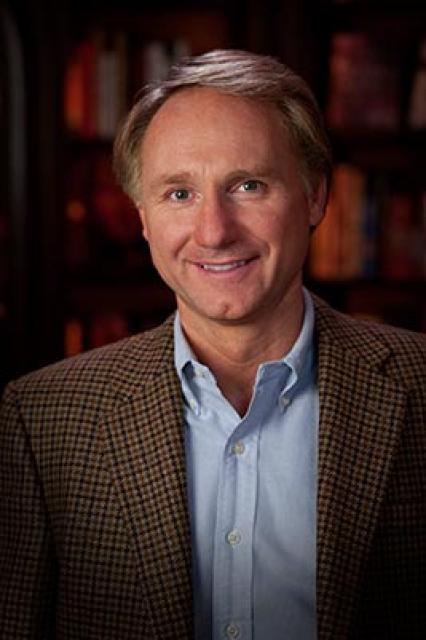
In 2003, Dan Brown's novel "The Da Vinci Code" was published by Doubleday Group. The plot of the novel was extraordinary, reinterpreting the legend of the Holy Grail and the role of Mary Magdalene in the life of Christ. The combination of detective investigation, art history, secret cults, and the relationship between the main characters (Professor Langdon and the granddaughter of a murdered Louvre curator), puzzles, and unexpected plot twists led to the incredible success of the novel. It became an international bestseller, translated into 44 languages, and earned the title of "the best book of the decade," sparking unusual interest and debates in the press. Only after the publication of "The Da Vinci Code" did his previous novels make it onto the bestseller lists. Over the course of three years, Dan Brown's income from book sales exceeded $260 million, making him the world's highest-paid author. In 2006, "The Da Vinci Code" was adapted into a film and became a huge box-office success. Representatives of almost all Christian denominations, including Orthodoxy, sharply criticized the book and film, calling for their boycott. In 2009, "Angels and Demons" was also adapted into a film. Dan Brown's next work was the novel "The Lost Symbol," the third novel featuring Robert Langdon, which unraveled the secrets of American Masonic organizations. On the first day, more than one million copies of the book, both in paper and electronic form, were sold. The latest novel by Dan Brown to date, "Inferno," was released in 2013. It tells the story of Professor Langdon's new dizzying and dangerous adventures, as he searches for the mysteriously disappeared death mask of Dante and tries to stop the spread of a deadly infection that threatens humanity. This book is also being prepared for adaptation into a film.