
Edward Bunker
 USA
USABiography of Edward Gevard Bunker
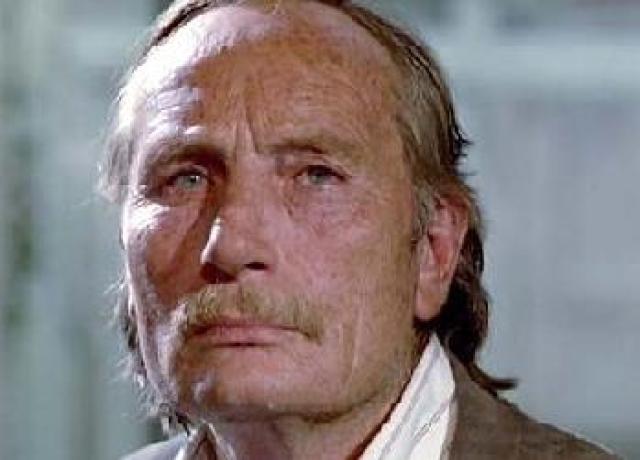
Edward Gevard Bunker was an American writer, author of several detective novels, screenwriter, actor, and former criminal. Born in 1933, Bunker spent a significant part of his childhood in various shelters and orphanages. He began breaking the law at an early age and remained on a criminal path for a long time, which naturally led to periodic incarcerations. Bunker was convicted for bank robberies, drug trafficking, armed robbery, extortion, and counterfeiting. The cycle of convictions, parole, escapes, and releases continued until 1975 when he finally gave up crime and turned to writing.
Early Life and Criminal Activities
Edward Gevard Bunker was born on the eve of the New Year in 1933. His mother, Sara Bunker (Johnston), was a choir singer from Vancouver, and his father, Edward Bunker, was a stagehand. His parents mostly drank and argued in their free time. When they finally divorced, five-year-old Eddie ended up in a children's home, which he strongly disliked and ran away from. This marked the beginning of his long journey that led him to increasingly harsh institutions.
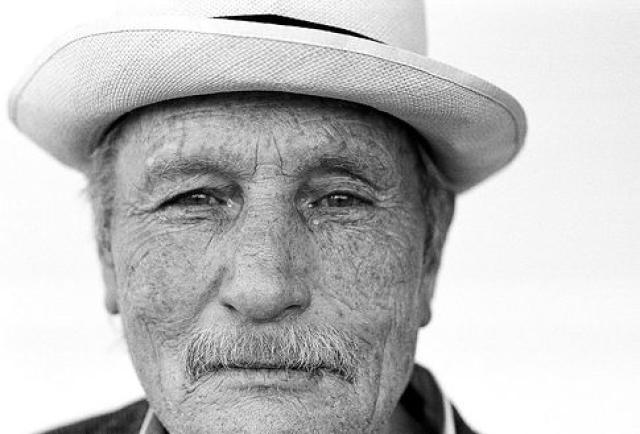
As a young man, Bunker constantly rebelled and protested against the demands of discipline. After spending a few months in a military school, where he started stealing under peer pressure, he eventually escaped and found himself in a hobo camp four hundred miles away from the school. Throughout his life, Bunker was always caught and sent to the next correctional institution. These early years unintentionally set the pattern for the rest of his life. Petty theft and other similar crimes eventually landed Eddie in juvenile court, where it was decided that his place was among other young offenders.

Although he was younger and smaller than the other inmates, his resourcefulness, street survival skills, and surprisingly, his education helped him quickly adapt to the new environment. Learning to hide his fear and embracing the brutal ideology of his new home, he returned to his old ways. Eddie repeatedly escaped, broke the law, and ended up in prison again. At one point, he even spent time in a psychiatric hospital. At the age of fourteen, Bunker was conditionally released and sent to live with his aunt. However, he didn't manage to stay out of trouble for long and violated the terms of his release at sixteen. Instead of the usual reform school, he was sent to prison, which surprisingly, he somewhat admired. At the time, Eddie believed that people could be divided into predators and prey, and he was determined to belong to the most suitable category.
In the Los Angeles County Jail, Eddie stabbed a murderer in the shower, gaining significant respect and a reputation as a fearless guy. Some believed that the hardships of his life had permanently damaged his sanity, but Bunker claimed in his memoir "Mr. Blue: Memoirs of a Renegade" that such aggression was merely a defensive mechanism to ward off any potential aggressors. In 1951, seventeen-year-old Edward had the dubious honor of becoming the youngest person ever to be incarcerated in San Quentin Prison. While in solitary confinement, he had the opportunity to communicate with a neighboring death row inmate, Caryl Chessman, who happened to have a typewriter. Edward and Caryl had met before, and Chessman even showed him a magazine where he had been published. This encounter sparked the idea of trying his hand at writing.
A Career in Writing and Acting
Louise Fazenda, a former silent film star and wife of film producer Hal Wallis (and a good friend of Eddie's), procured him a typewriter. He began his writing journey. Bunker managed to smuggle his work out of prison to his more enlightened friends. It quickly became evident that he couldn't get it published, but his talent was undeniable. In 1956, Edward was conditionally released once again. Adapting to regular society was extremely difficult for him as people viewed him with suspicion as a former convict, despite several years of law-abiding behavior. Louise Wallis helped him with her connections and resources, but over time, she began behaving increasingly strangely. She was eventually diagnosed with a nervous breakdown, and her husband, in an effort to protect her fragile mind, barred many of her friends from their home, including Bunker. Louise passed away in 1962.
For a while, Edward tried to work honestly, but eventually, he returned to a life of crime. It followed the same pattern – arrests, escapes, and new confrontations with authorities. However, Bunker continued writing in prison. In 1973, he finally completed his first book, "No Beast So Fierce," which was later adapted by actor Dustin Hoffman. In 1975, Edward was released once again. While the criminal world still enticed him, he had managed to earn a living through his acting and writing. Eventually, Bunker realized that now that he had no reason to break the law, there was nothing stopping him from leading a normal, law-abiding life. His works always stood out for their gritty details and accuracy, clearly drawing from his personal experiences. One of the main themes of his writing was how an ordinary person gradually becomes drawn into the criminal world, losing the chance to return to an honest life.
Edward Gevard Bunker passed away on July 19, 2005, in Burbank, California, following a leg surgery.



