Diego Rivera
 Mexico
- Biography of Diego Rivera
- Love Affairs and Marriages
- Later Life and Marriages
- Religious Beliefs and Later Years
- Diego Rivera passed away on November 24, 1957, in Mexico City.
Biography of Diego Rivera
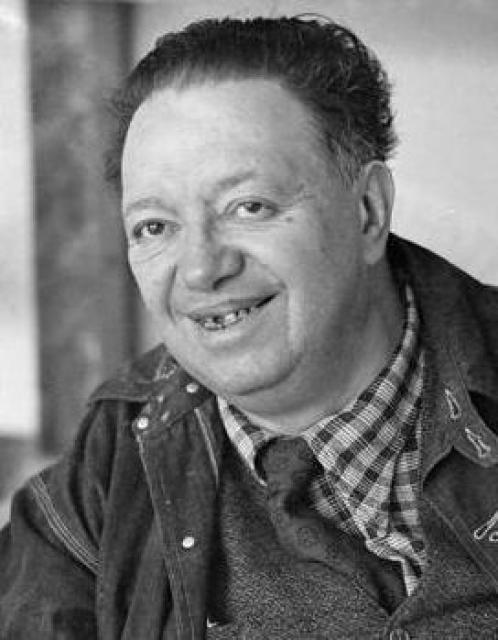
Diego Rivera, a Mexican painter, became famous not only for his artistic talent and political views, but also for his numerous love affairs that are still surrounded by legends. Despite not being handsome, being clumsy, and overweight, Rivera conquered hearts with his unrestrained passion. One of his wives was the world-renowned artist Frida Kahlo. Rivera, known as the "man-eater," was born on December 8, 1886, in Guanajuato, Mexico. His twin brother, Carlos, only lived for two years. From 1896 to 1902, Rivera studied at the San Carlos Academy of Fine Arts before traveling to Spain. In 1922, Rivera joined the Mexican Communist Party and left it in 1929. He adopted Trotskyist views but was expelled from the Mexican section of the Fourth International due to a conflict with Leon Trotsky himself. The artist recreated his famous fresco "Man at the Crossroads," which was destroyed in 1934 by the Rockefeller Center. In a slightly altered version called "Man Controlling the Universe," Trotsky appeared alongside Karl Marx and Friedrich Engels.
Love Affairs and Marriages
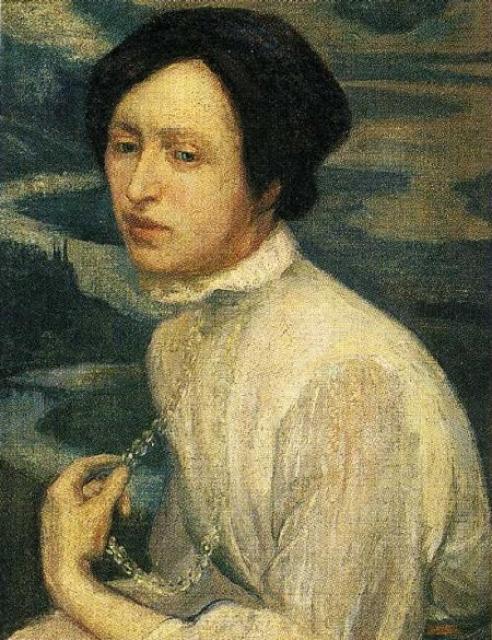
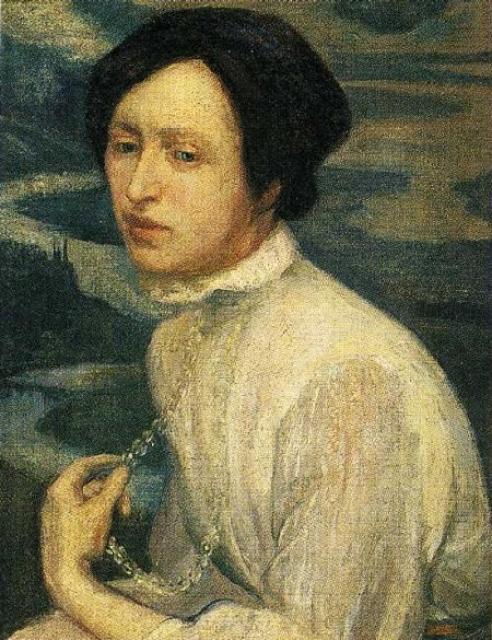
With his charm and attractiveness, Diego broke one woman's heart after another. Often portraying himself as a fat frog holding someone's heart, the artist once admitted that he desired to make women suffer, especially those he was deeply in love with. His first wife, Angelina Beloff, was a Russian artist. They married in 1911, and Angelina gave Diego "everything a woman could give a man." In return, Diego "rewarded" her with "all the suffering a man can inflict on a woman." Their marriage was filled with passion, intrigue, insane jealousy, despair, and even physical abuse. Their son died from the flu in 1918, and the couple separated in 1921. However, Angelina could never erase the love for the "man with swollen eyelids and bulging eyes" from her heart. In a letter to her ex-husband, she claimed that Diego became a god to her. Coincidentally, Diego met another Russian artist, Maria Vorobieff-Stebelska, while still married to Angelina. He pursued Maria until she realized that this man lacked any moral principles. In her memoirs, Maria mentioned being attracted to Diego's uniqueness, as he possessed the strength of a genius and the weakness of a child. They had an illegitimate daughter, Marika Rivera, who later became an actress and dancer, known for her roles in "Fiddler on the Roof" and "The Girl on a Motorcycle." However, Diego never publicly acknowledged her as his daughter. He left Marika and her deeply hurt and humiliated mother, who had scars on her neck from a knife attack, and went back to his homeland to start anew. Marika later wrote that Diego's guide in life was his lust and passion for women.
Later Life and Marriages
Returning to Mexico and inspired by the post-revolution atmosphere in the country, Diego began creating his monumental works known as murals. In 1922, he married a Mexican model and writer, Guadalupe Marin, who gave him two daughters. In 1927, the artist visited the USSR and became a founding member of the "October" association. He participated in the celebration of the 10th anniversary of the October Revolution in Moscow. His sketches of the celebration were exhibited at the Museum of Modern Art in New York. Diego visited the USSR for the second time in 1955-1956.
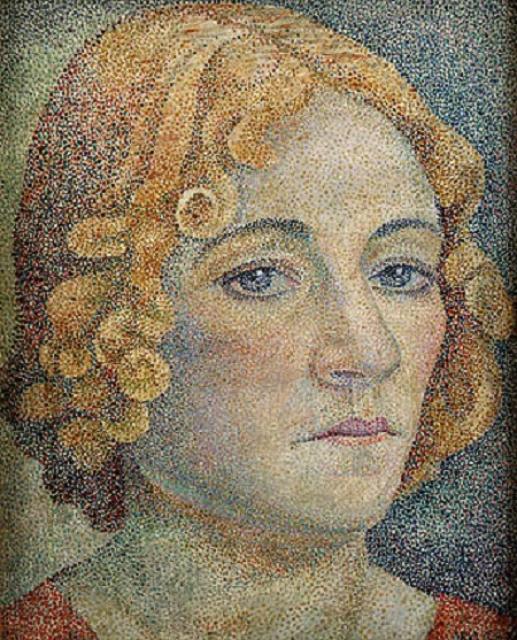
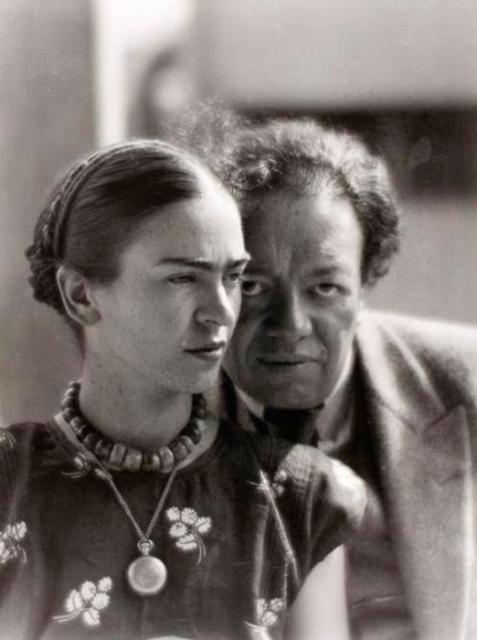
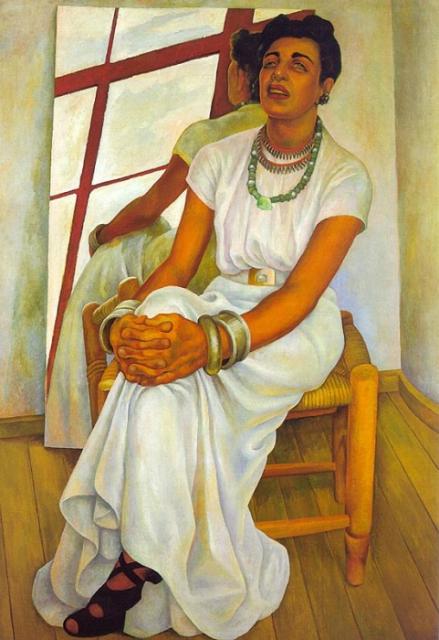
Remaining true to himself, Rivera cheated on his second wife with a student named Frida Kahlo, who became the most significant woman in his life. Their marriage ended in 1929, and in the same year, 42-year-old Diego married a 22-year-old "girl from a cosmic race" who magnetically attracted him. However, their connection was more spiritual than physical, and Diego never experienced anything similar in his life again. In 1939, Frida filed for divorce after discovering Diego's affair with her sister, Cristina. Frida believed that she also had the right to sleep with whomever she wanted, and one of her lovers was Leon Trotsky, who settled in Mexico with his wife in 1937. However, Diego and Frida remarried in 1940. The separation had taken its toll on the couple, and Diego was willing to do anything to regain Frida's "extroverted nature." She demanded a celibacy clause in their marriage contract. They did not have children. Frida, suffering from polio and surviving a horrific car accident, had two miscarriages. She passed away on July 13, 1954. It is said that she pleaded with Mexican actress Maria Felix, whom Diego had painted many portraits of, to marry him after her death. The wedding did take place, but with Emma Hurtado, the owner of an art salon.
Religious Beliefs and Later Years
Diego, an atheist, became a member of the Rosicrucian Order, a theological and secret mystical organization founded by American occultist Harvey Spencer Lewis. In 1954, when Rivera tried to rejoin the Mexican Communist Party, which considered the Rosicrucian Order "suspiciously similar to Freemasonry," he was called to account. Initially, Diego claimed that he accidentally joined an organization that was typical of "Yankees" but did so for the glory of communism. However, he later assured that the order, in its essence, had a materialistic nature, allowing for the existence of various states of matter and energy and being based on ancient Egyptian occult knowledge from Amenhotep IV and Nefertiti.