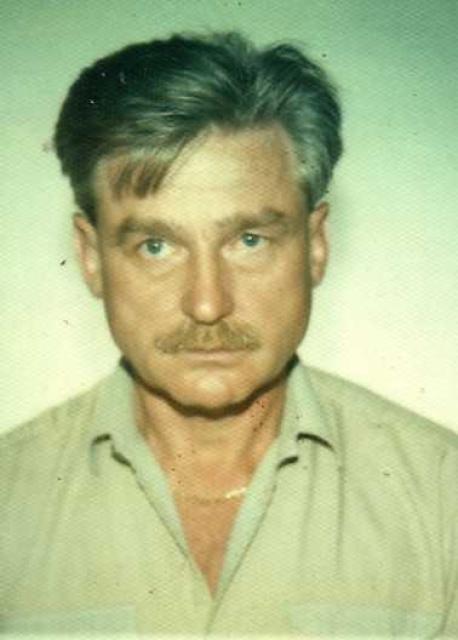
Dieter Gerhardt
 South Africa
- Early Life and Military Career
- Naval Training and Espionage
- Marriage and Career Advancement
- Involvement of Ruth Gerhardt
- Arrest and Confession
- Trial and Sentencing
- Presidential Clemency and Amnesty
Early Life and Military Career
Dieter Felix Gerhardt was born in South Africa in 1935 to a German immigrant father. A restless youth, Gerhardt's parents sought to instill discipline in him by enrolling him in the navy.
Naval Training and Espionage
In 1956, Gerhardt graduated from the Naval Academy in Simon's Town. He continued his military career, attending the Royal Navy Mine School in Portsmouth and a paratrooper course in RAF Abingdon. While assigned to the Royal Navy, he began his clandestine activities as a Soviet spy under the codename "Felix."
Marriage and Career Advancement
In 1958, Gerhardt married Janet Coggin, a British national. In 1968, he met and fell in love with Ruth Johr, a Swiss woman. They married in 1969, and Ruth became a trusted confidante and supporter. By this time, Gerhardt had risen to the rank of commodore, holding a senior position in South Africa's largest naval command.
Involvement of Ruth Gerhardt
After a period of hesitation, Gerhardt confided in Ruth about his espionage activities. Together, they formed the spy duo known as "Felix" and "Lina." Ruth became a valuable liaison, using trips to visit family to facilitate meetings with Soviet contacts in Switzerland and elsewhere.
Arrest and Confession
In 1982, Gerhardt was arrested in the United States after being exposed by a Soviet double agent. Under CIA interrogation, he confessed to his espionage activities, including his wife's involvement. Ruth was also arrested.
Trial and Sentencing
In 1983, Dieter Gerhardt was sentenced to life imprisonment. Ruth Gerhardt received a 10-year sentence. In a plea for leniency, Dieter emphasized Ruth's subordinate role as a courier and secretary.
Presidential Clemency and Amnesty
In 1992, Russian President Boris Yeltsin requested Gerhardt's clemency, which was granted by the South African President. Dieter Gerhardt was released on August 27, 1992. He maintained that his actions were not motivated by personal betrayal, but by political activism against the South African regime. In 1999, he was amnestied.


