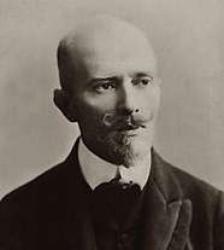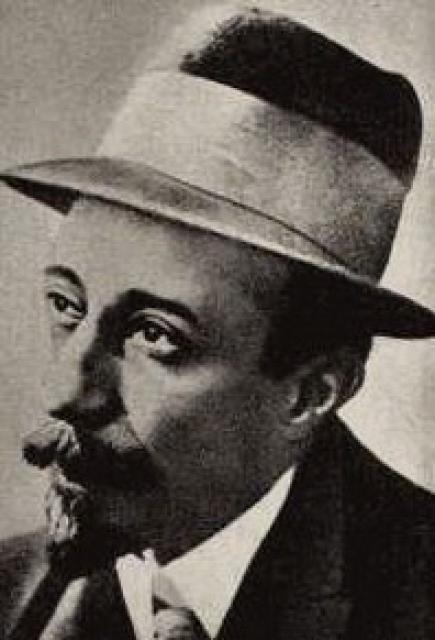
Dimitrie Anghel
 Romania
- Dimitrie Anghel: Romanian Poet and Writer
- Early Life and Poetic Beginnings
- Collaborations with Ștefan Octavian Iosif
- Turn to Prose
- Love, Tragedy, and Legacy
Dimitrie Anghel: Romanian Poet and Writer
Dimitrie Anghel (1872-1914) was a prominent Romanian poet and writer who made significant contributions to Romanian literature.
Early Life and Poetic Beginnings
Born in Bucharest, Romania, Anghel began his writing career at a young age. His first poems were published in the magazine Contemporanul in 1890. He subsequently published two poetry collections, "Traduceri din Paul Verlaine" (1903) and "În grădină" (1905).
Collaborations with Ștefan Octavian Iosif
Anghel's most notable works were written in collaboration with Ștefan Octavian Iosif. Together, they produced literary masterpieces such as the dramatic poem "Legenda funigeilor" (1907), the comedy "Cometa" (1908), "Caleidoscopul lui A. Mirea" (1908), and the historical poem "Carmen saeculare" (1909), which was published in 1910. They also co-authored the prose work "Cireșul lui Lucullus."
Turn to Prose
Around 1911, Anghel began to explore prose writing. He published a series of novellas, including "Povestea celor necâjiți" (1911), "Fantome" (1911), "Oglinda fermecată" (1912), "Triumful vieții" (1912), and "Steluța" (1913). These works showcased his keen observation of human nature and his ability to delve into complex emotions.
Love, Tragedy, and Legacy
Anghel's personal life was marked by tragedy. He and Ștefan Iosif were both in love with the same woman, Natalia Negru. After Natalia divorced Iosif, she married Anghel. However, Anghel was devastated by her subsequent infidelities. In 1914, consumed by despair, he committed suicide by gunshot. A year earlier, Iosif had passed away from a heart attack.
Despite his untimely death, Anghel's literary legacy continues to inspire and captivate Romanian readers. His poems and prose writings are considered among the finest examples of Romanian literature, known for their lyrical beauty, emotional depth, and exploration of universal human themes.