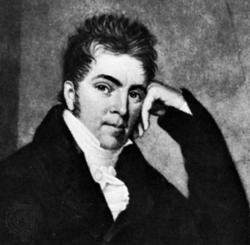
Donald Barthelme
 USA
USA- Donald Barthelme: A Master of Black Humor
- Early Life and Education
- Literary Career
- Experimental Novels
- Short Story Collections
- Innovative Style
- Subversive Narratives
- Posthumous Recognition
Donald Barthelme: A Master of Black Humor
Donald Barthelme was an American writer known for his experimental writing and his use of dark humor. As a prominent figure in the postmodern literature movement, he challenged conventional literary norms and pushed the limits of narrative.
Early Life and Education
Born on April 7, 1931, in Philadelphia, Pennsylvania, Barthelme studied at the University of Houston. Following his graduation, he worked as the director of the Houston Museum of Fine Arts during the 1950s.
Literary Career
Barthelme's literary career took off in the 1960s when he became the art editor of the literary magazine "Location." His writing incorporated elements of montage and fragmentation, reflecting his beliefs about the fragmented nature of modern society.
Experimental Novels
Among Barthelme's notable works are the novels "Snow White" (1967), "Dead Father" (1975), and "Paradise" (1986). These novels challenged traditional narrative structures and explored themes of identity, alienation, and the absurdity of life.
Short Story Collections
Barthelme's short story collections also garnered critical acclaim. Some of his most celebrated collections include "Come Back Dr. Caligari" (1964), "Unspeakable Practices, Unnatural Acts" (1968), "City Life" (1970), and "Forty Stories" (1987).
Innovative Style
Barthelme's writing style rejected conventional plot, character development, and themes. Instead, he emphasized the playful and inventive nature of form. His work incorporated elements of pop culture, sermons, and drawings, blurring the boundaries between fiction and reality.
Subversive Narratives
Barthelme's stories often subverted traditional literary conventions. In "The King" (1992), he retold the legend of King Arthur and the Knights of the Round Table from a postmodern perspective, placing them in the atomic age.
Posthumous Recognition
Barthelme's influence on contemporary literature continues to be significant. His work has been translated into numerous languages and has received numerous awards. Despite his untimely death in 1989, his legacy as a master of black humor and experimental writing endures.