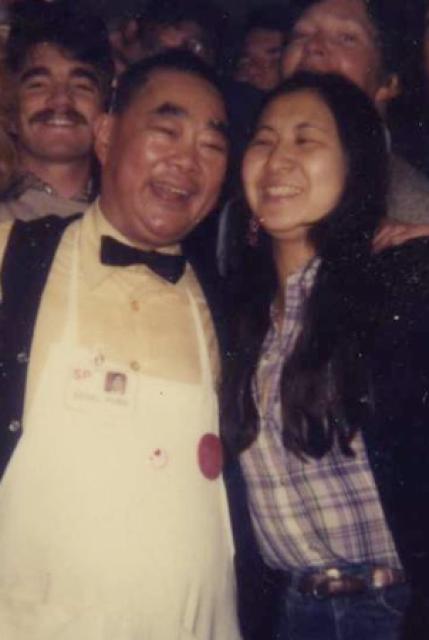
Edsel Ford Fung
 China
ChinaBiography of Edsel Ford Fung
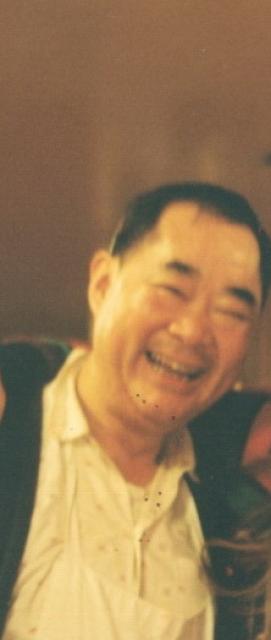
Edsel Ford Fung was born on May 6, 1927 in San Francisco's Chinatown. Not much is known about his early life and family, but it is rumored that he was born into a family of illegal immigrants from China.
Sam Wo Restaurant
Edsel started working as a waiter at the famous Sam Wo restaurant, the most well-known Chinese restaurant in San Francisco. During its existence, the restaurant became a cultural hub on the West Coast. Many attribute its popularity to Edsel, who became notorious in the culinary world as the rudest, most arrogant, and forgetful waiter. Legend has it that throughout his decades in the business, Edsel never got an order right. Even if he remembered the exact number of dishes, he would change the plates at the last moment, oversalt the soup for those who ordered it without salt, or simply make up orders. His trademark phrases, such as "You ordered it, you pay for it, you eat it! Quick!", became a daily occurrence. Another famous phrase he used was, "Is this a library?" which he would say when a guest couldn't make their order instantly. Over time, his greeting was replaced by the phrase, "What's for lunch, fatty?"
Interestingly, the restaurant's bad reputation did not deter customers but rather made it famous across the country. Edsel would berate workers, Hollywood actors, poets, and sailors alike, leading some to claim that he never left the restaurant and knew nothing about the city's cultural life. Even after his death, the image of America's rudest waiter continues to live on. His photographs can still be seen in many Chinese restaurants, and his phrases are successfully used in other cafes and restaurants in the city, owned by people who spent their youth in the cramped Sam Wo restaurant under Edsel's unrelenting shouts.
A Unique Waiter
From the first days of his job, Edsel adopted terrible manners and made crude jokes, which regular customers claim were seemingly endless. As soon as a guest opened the door, Edsel was right there. If someone wanted to have lunch, the waiter would impolitely ask them to clear a table and wash their own dishes. Sometimes, a random visitor would find themselves holding a takeout bag and an address where it should be delivered within the next five minutes. Inside the restaurant, Edsel prohibited alcohol, cigarettes, drugs, carbonated drinks, coffee, milk, and sweets. If someone managed to sneak any of these items inside, they would soon find themselves thrown out the door. Interestingly, it was a common practice for Edsel to show customers the door. The mealtime was limited, and after that, the waiter would collect the plates and point to the exit. Edsel would always say, "I'll keep the change."
The only person who could stay at the table after eating was a mysterious man who brought Edsel pornographic films and magazines every week. This same stranger was the only one who received a special tea recipe from the waiter. During the Beat Generation era, the restaurant gained a reputation as the worst place for a first date. Edsel not only made offensive and sometimes rude comments about the date, but he would often sit down with the couple to flirt with the girl and even try to lift her skirt. An entire wall in the restaurant was dedicated to photos of Edsel and his random "friends." Interestingly, the customers often defended Edsel if any newcomers were dissatisfied with the service. Although fights never broke out, even close friends of Edsel sincerely feared him.
Legacy
Edsel Ford Fung passed away at the age of 55 in April 1984. After his death, the restaurant continued to operate, but even the most daring young waiters couldn't replace him. In 2012, the owners made the decision to close the establishment as the building became unsuitable for further use after 100 years of operation. Edsel's image was often used in literature and culture. His portraits can be found on several walls in San Francisco, and in one of the stories in Armistead Maupin's book "Tales of the City," a waiter in a Chinese restaurant shames the main character for not washing his hands after using the restroom.