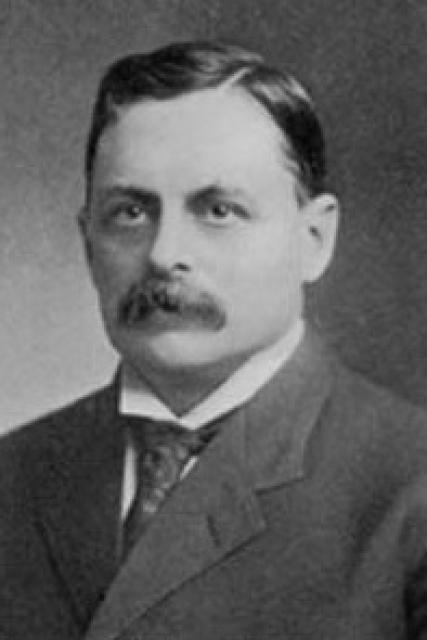
Elihu Thomson
 Great Britain
- Biography of Elihu Thomson
- Entrepreneurial Ventures
- Contributions and Achievements
- Recognition and Legacy
Biography of Elihu Thomson
Early Life and EducationElihu Thomson, an English engineer and inventor, played a significant role in the creation of major electrical companies in the United States, the United Kingdom, and France. He was born in Manchester, England on March 29, 1853, but his family moved to Philadelphia in 1858. Thomson attended Central High School and graduated in 1870. It was during this time that he began teaching at the school. In 1876, at the age of 23, Elihu became the head of the chemistry department.
Entrepreneurial Ventures
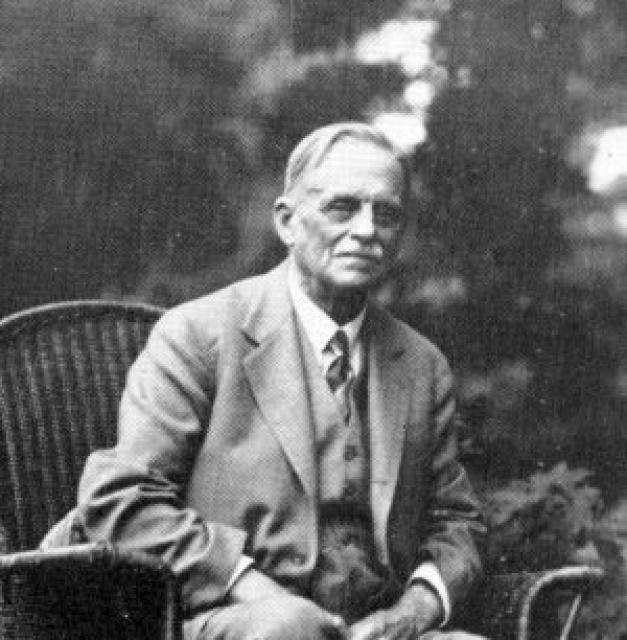
In 1880, Thomson left the school to pursue research in the emerging field of electrical engineering. Alongside his former teacher and later colleague, Edwin J. Houston, Thomson co-founded the Thomson-Houston Electric Company. During his time with the company, he invented arc lighting systems, an automatically regulated electric generator with three coils, a magnetic lightning rod, and power transformers. In 1892, the Thomson-Houston Electric Company merged with the Edison General Electric Company to form the General Electric Company.
Contributions and Achievements
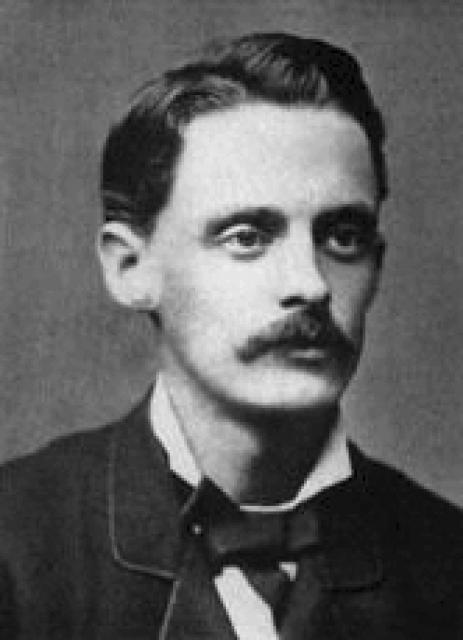
Historian Thomas P. Hughes describes Thomson as both an inventor and an entrepreneur, highlighting his methodological approach to research in the workshop and laboratory. From 1880 to 1885, Thomson filed an average of 21 patent applications per year. His productivity, as evidenced by the number of patents he received, doubled from 1885 to 1890. After the merger, Thomson relocated his laboratory to a town near Boston to regain control over the research process. Despite being offered the opportunity to lead the General Electric Company, Elihu declined, prioritizing his own developments.
Recognition and Legacy
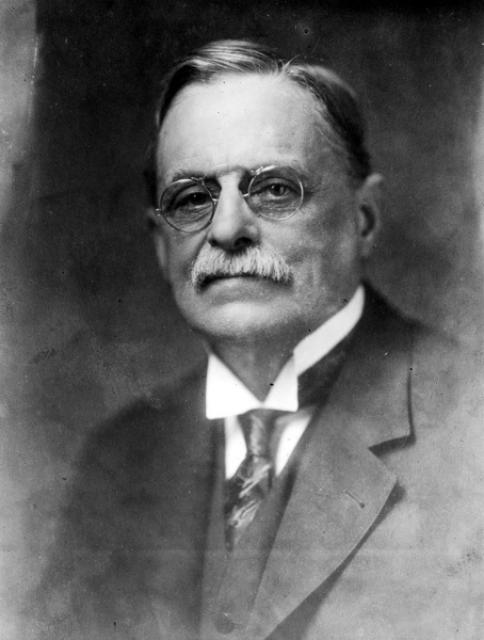
Thomson was awarded the first-ever American Institute of Electrical Engineers (AIEE), now the Institute of Electrical and Electronics Engineers (IEEE), prize. In 1909, he received the Edison Medal for his outstanding achievements in electrical science, technology, and art. Throughout his career, Thomson was a role model for others in these fields. He served as the president of AIEE from 1889 to 1890.
At the end of his life, Thomson's second wife, Clarissa Hovey Thomson, remarked that it would require a basket to hold all of his awards and honors. In 1889, he was honored by the French government and became a recipient of the Legion of Honour. Thomson received honorary degrees from Yale University in 1890, Tufts College in 1892, and Harvard University in 1899.
Thomson was a founding member and the second president of the International Electrotechnical Commission (IEC), a non-profit organization focused on standardization in electrical, electronic, and related technologies. Additionally, he temporarily served as the president of the Massachusetts Institute of Technology (MIT) from 1920 to 1923, despite his reluctance to take on the role. Elihu Thomson passed away on March 13, 1937, at his estate in Swampscott, Massachusetts. His mansion, 'The Elihu Thomson House,' was designated a National Historic Landmark in 1976.