Ermanno Wolf-Ferrari
 Italy
Italy- Early Life and Artistic Influences
- Musical Career and Operatic Success
- Impact of World War I and Postwar Legacy
Early Life and Artistic Influences
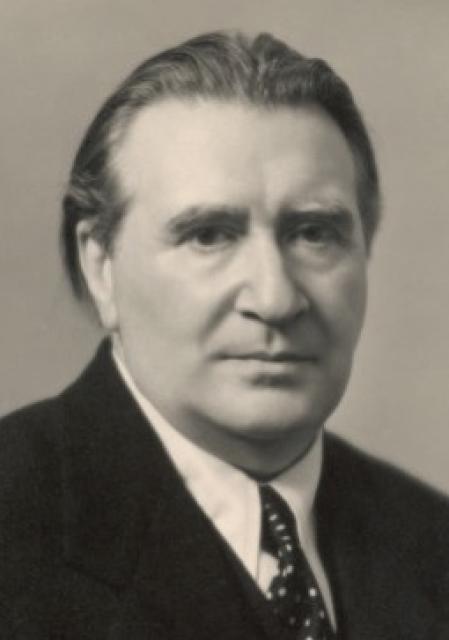
Ermanno Wolf-Ferrari was born in Venice in 1876 to an artistic family. His father, August Wolf, was a German painter, while his mother, Emilia Ferrari, was Italian. Despite receiving early music training, Wolf-Ferrari initially pursued painting like his father and younger brother, Teodoro. However, his musical interests gradually prevailed, leading him to enroll at the Munich Conservatory under Joseph Rheinberger.
Musical Career and Operatic Success
In 1895, Wolf-Ferrari adopted his mother's maiden name, Ferrari, and italianized his name to Ermanno, reflecting his dual heritage. His debut opera, "Cenerentola," premiered in Venice in 1900 but failed. Undeterred, he took it to Germany, where it found success in Bremen. The cantata "La vita nuova" in 1902 brought him international acclaim. As professor and director of the Benedetto Marcello Conservatory in Venice from 1902-1909, Wolf-Ferrari became a prolific composer, finding inspiration in the comedies of Italian playwright Carlo Goldoni. His most celebrated operas include "Le donne curiose" (1903), "I quattro rusteghi" (1906), "Il segreto di Susanna" (1909), "I gioielli della Madonna" (1911), and "L'amore medico" (1913).
Impact of World War I and Postwar Legacy
With the outbreak of World War I, Wolf-Ferrari's career entered a decline. The war divided his beloved countries, Italy and Germany, and forced him to relocate to Zurich. His postwar works exhibited a somber tone, a departure from the effervescent comedy of his earlier operas. Despite efforts to revive his early successes with operas like "Sly" (1927) and "Il campiello" (1936), Wolf-Ferrari's popularity waned. From 1939 until his death in 1948, he lived in Salzburg and Venice. Today, his operas remain performed, providing a testament to his contribution to the genre of comic opera.