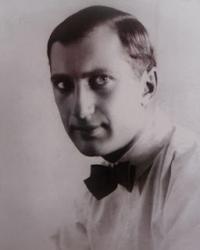
Evgeniy Kumichich
 Croatia
- Eugen Kumičić: Prominent Croatian Novelist
- Literary Influences and Political Activism
- Journalistic and Literary Endeavors
- Literary Style and Themes
- His literary output is generally divided into three thematic periods:
Eugen Kumičić: Prominent Croatian Novelist
Early Life and EducationEugen Kumičić was born in the town of Brseč, in the present-day Primorje-Gorski Kotar County of Croatia. Upon graduating with a degree in philosophy from the University of Vienna, he returned to Croatia and served as a teacher in Split, Zadar, and Zagreb.
Literary Influences and Political Activism
From 1875 to 1878, Kumičić spent two years in Paris and six months in Venice, preparing for examinations in French and Italian languages. While in France, he was heavily influenced by the naturalist movement, particularly the works of Émile Zola. Upon his return to Croatia, from 1879 to 1883, he taught at the Zagreb Secondary School. During this time, Kumičić actively engaged with Croatian literary circles and became politically active. A staunch supporter of Ante Starčević, Kumičić ended his civil service career in 1883 to pursue a life of politics and literature.
Journalistic and Literary Endeavors
Along with Matko Laginja, Kumičić founded the journal Primorac in Kraljevica. He also contributed to the journals Hrvatska vila (1882-1883) and Hrvatska (1887-1888), where he published essays, sketches, and short stories. In 1884, he was elected to the Croatian Parliament, where he spent much of his political career opposing Hungarian nationalists. In 1885, Eugen Kumičić was awarded honorary citizenship of the city of Zagreb.
Literary Style and Themes
Kumičić authored numerous novels and short stories, primarily focusing on the lives of ordinary people in his native Istria. In his novels dealing with urban life and Croatian history, he sought to incorporate elements of naturalism, but his efforts often clashed with the prevailing Croatian national romantic trend.
His literary output is generally divided into three thematic periods:
Romantic Period:Characterized by novels and stories featuring romanticized depictions of hardworking Istrians, predominantly fishermen, farmers, and sailors.
Urban Period:Focuses on city life, where the naturalist influence is most evident in the portrayal of financial and moral turmoil.
Historical Period:Depicts the lives and times of significant figures in Croatian history.