Federico Mayor Zaragoza
 Spain
Spain- Biography of Federico Mayor Zaragoza
- Early Life and Education
- Academic and Professional Career
- Political and Public Service
- Contributions to UNESCO and Culture of Peace
- Later Career
Biography of Federico Mayor Zaragoza
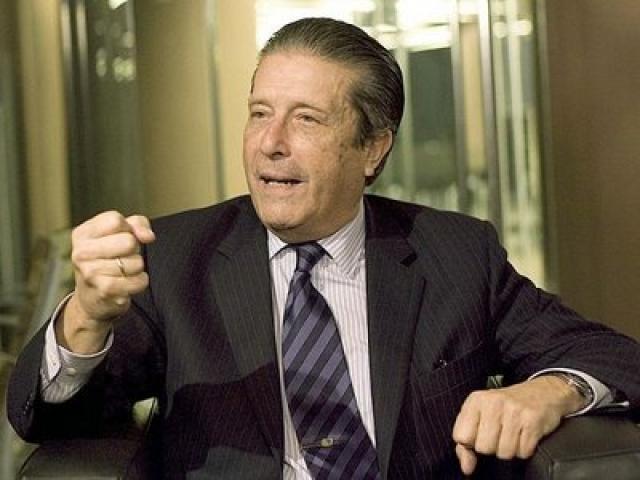
Federico Mayor Zaragoza is a Spanish scientist, politician, social activist, writer, and poet. He was born on January 27, 1934, in Barcelona, Spain.
Early Life and Education
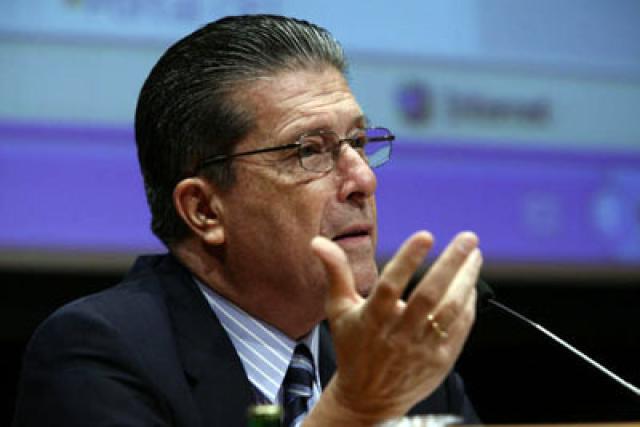
Mayor Zaragoza graduated from the University of Madrid with a degree in pharmacology in 1956. At the age of 24, he obtained his doctorate in pharmacy from the University of Madrid, where he gained recognition for his work on the exchange of brain substances in newborns.
Academic and Professional Career
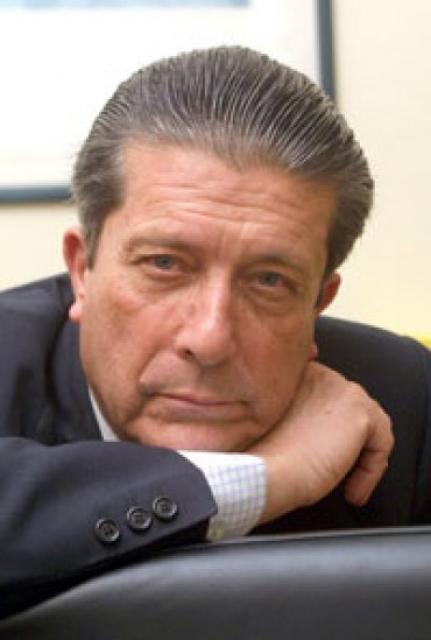
At the age of 30, Federico Mayor Zaragoza became a professor of biochemistry at the School of Pharmacy of the University of Granada. Four years later, at the age of 34, he became the rector of the university. He held this position until 1972 when he was appointed as a professor of biochemistry at the University of Madrid. In 1974, Mayor Zaragoza co-founded the Severo Ochoa Molecular Biology Center at the Autonomous University of Madrid and the Supreme Council for Scientific Research.
Political and Public Service
Mayor Zaragoza's rapid career advancement, recognition in scientific circles, and active involvement in public affairs led him to enter politics. He held various state positions, including Deputy Minister of Education and Science in the Spanish government (1974-1975), Member of the Union of the Democratic Center from the Granada district in the Spanish Parliament (1977-1978), Advisor to the Prime Minister (1977-1978), Minister of Education and Science (1981-1982), and Member of the Democratic and Social Center in the European Parliament (1987).
One of the key positions in Mayor Zaragoza's career was his appointment as Deputy Director-General of UNESCO in 1978 and later as Director-General in 1987. He served two consecutive terms but voluntarily declined a third term to devote himself to the Foundation for a Culture of Peace (Fundación Cultura de Paz), of which he is currently the president. Since 1996, Mayor Zaragoza has been a member of the Earth Charter Commission.
Contributions to UNESCO and Culture of Peace
During his 12-year tenure as Director-General of UNESCO, Mayor Zaragoza significantly reformed the organization. He emphasized human rights, peaceful coexistence, tolerance, and service to peace as the organization's main focus. Under his leadership, UNESCO established the Culture of Peace Program, which included five main areas: education for peace, human rights and democracy, combating isolation and poverty, protecting cultural diversity and intercultural dialogue, and preventing conflicts and strengthening peace.
Mayor Zaragoza's efforts to promote a culture of peace and tolerance continue through the Foundation for a Culture of Peace, which he founded while serving as Director-General of UNESCO. The foundation aims to transition from a culture of coercion and violence to a culture of peace and tolerance. It organizes the World Culture Course in collaboration with the Juan Carlos I University in Madrid, focusing on topics such as democracy, human rights, and conflict resolution. In December 2000, the foundation organized an international conference attended by prominent figures in the fight for justice, freedom, and peace, resulting in the adoption of the Madrid Declaration.
Later Career
In December 2002, Federico Mayor Zaragoza was appointed as the Chairman of the Expert Group of the European Research Council (ERCEG). In 2005, he became one of the co-chairs of the High-Level Group of the United Nations Alliance of Civilizations.
In addition to his numerous scientific publications, Mayor Zaragoza has published four books of poetry, including "A contraviento" (1985), "Aguafuertes" (1991), "El fuego y la esperanza" (1996), and "Terral" (1997). He has also authored several collections of essays, including "Un mundo nuevo" (1999) and "Los nudos gordianos" (1999).
Today, Federico Mayor Zaragoza is a member of the Honorary Council of the International Coalition for the Decade of Culture of Peace and Non-Violence, the Honorary President of the Academy of Peace (Académie de la Paix), and the President of the Foundation for a Culture of Peace. In all of his endeavors, Mayor Zaragoza strives to promote a culture of peace and tolerance, eliminate violence, and achieve respect for human rights while creating a society free from poverty, injustice, ignorance, and suffering.