Feliks Chuev
 Russia
- Felix Chuev: A Literary and Historical Legacy
- Literary Career
- Collaboration with Vyacheslav Molotov
- Molotov's Revelations
- Perspectives on the Great Terror
- Later Works and Legacy
Felix Chuev: A Literary and Historical Legacy
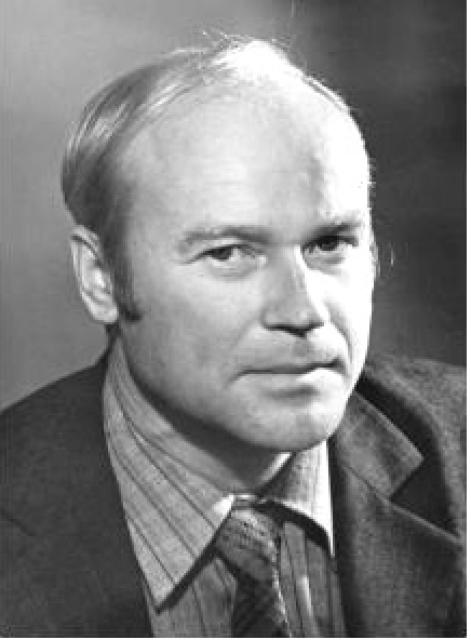
Early Life and EducationFelix Ivanovich Chuev was born in the city of Svobodny, Amur Oblast, on April 4, 1941. His father was a military pilot who fought in the Great Patriotic War. In 1964, Chuev graduated from the Moscow Power Engineering Institute.
Literary Career
Chuev began publishing his work in 1956. He gained recognition for his poetry collections, including "Red Aces," which focused on aviation and the experiences of the post-war generation. As a member of the Union of Writers, his poetry often reflected a "populist" understanding of patriotism and national identity.
Collaboration with Vyacheslav Molotov
In his book-diary "One Hundred and Forty Conversations with Molotov" (1991) and "Molotov" (1999), Chuev documented his extensive conversations with Vyacheslav Molotov, Stalin's closest associate. These conversations contained valuable insights into Molotov's views on Stalin, providing glimpses into the inner workings of the Soviet Union under Stalin's rule.
Molotov's Revelations
Through Molotov's statements, Chuev's work shed light on Stalin's leadership and policies. Molotov spoke of Stalin's diplomatic acumen, his technological understanding, and his determination to postpone the outbreak of World War II. He also revealed Stalin's reluctance to accept the title of Generalissimo and his concerns about the human cost of the Great Terror.
Perspectives on the Great Terror
Molotov's comments also illuminated the mechanics of the Great Terror. He admitted to signing arrest warrants based on Stalin's orders, emphasizing the need for vigilance against potential enemies, even at the expense of innocent lives. Molotov believed that the mass purges served as a "prophylactic cleansing."
Later Works and Legacy
In 1998, Chuev published "Soldiers of the Empire," which provided new insights into the Stalin era. He also expressed his ambivalence towards Stalin's legacy in the poetic lines, "Return Stalin to the pedestal / We, the youth, need an ideal."
Felix Chuev's writings have played a significant role in shaping our understanding of the Soviet Union under Stalin. His collaboration with Molotov and his own literary contributions have left a lasting legacy, providing valuable historical perspectives and sparking ongoing debates about the complexities of the Stalinist era.